
Australian manufacturers face a straightforward problem when they need components like membrane switches, flexible sensors, or graphic overlays. Local options can feel limited, and the offshore options come with risks that are hard to quantify until something goes wrong. That’s why we believe local Australian manufacturers are still the best choice for OEMs who care about quality, lead times, and long term reliability.
Recent global disruptions have exposed how fragile offshore supply chains can be. According to the Australian Industry Group, nearly half of Australian industrial businesses reported active supply chain disruptions in mid-2025. The same research found that 44% of manufacturers intend to raise their investment in supply chain resilience in 2026, with digital technologies and AI a focus. This investment in resilience reflects a broader recognition that Australian manufacturers need to reduce their exposure to global risks.
We’ve been on the other side of this problem for nearly forty years. Reid Print Technologies started in 1988 as a small manufacturer of industrial graphic products, and over time we’ve grown into one of the few fully integrated Australian manufacturers of printed electronics. We’ve watched the industry change, and the ones who stick with local manufacturing tend to be the ones who sleep better at night.
Your Components Could be Australian Made
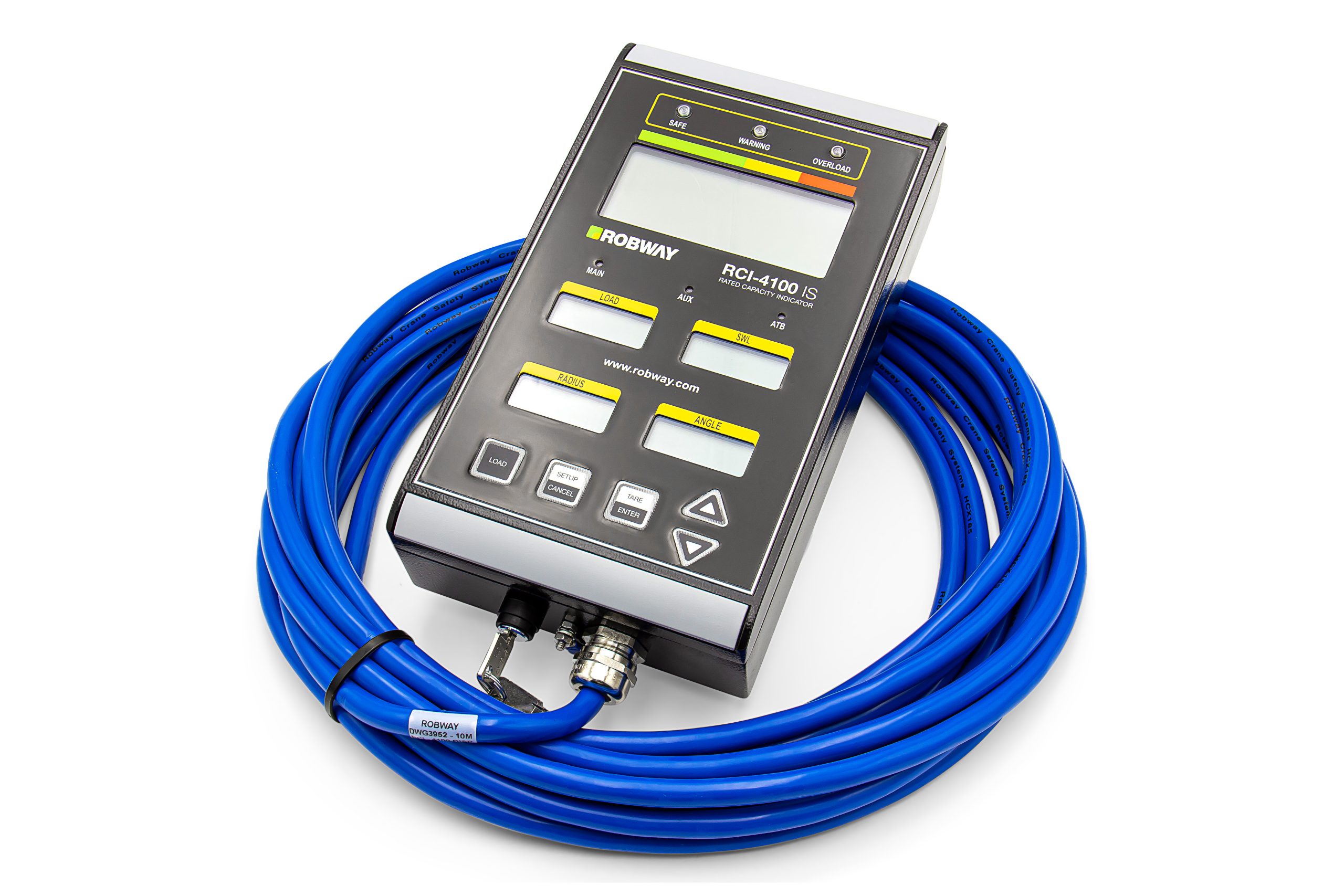
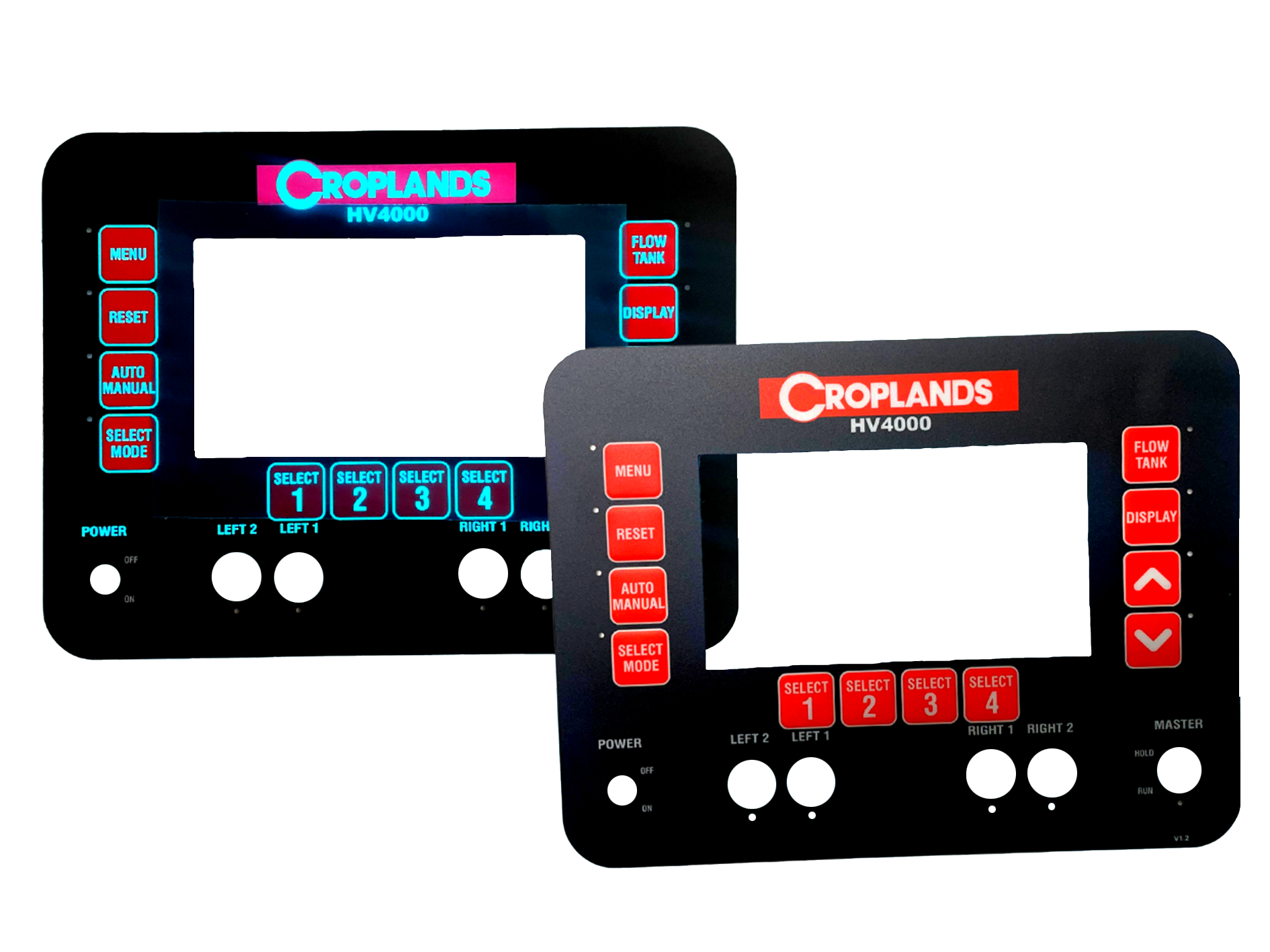
We manufacture many different types of products, but they all fall under the umbrella of printed electronics. If you’re designing medical equipment, defence systems, or industrial controls, you might already know what these components are. But if you’re new to printed electronics, here are some examples of what Australian manufacturers like us produce every day:
- Membrane switches are the thin, sealed interfaces you see on hospital equipment and factory controls. They are sealed against dust and moisture, and they can be cleaned with harsh disinfectants without falling apart.
- Flexible sensors are thin layers of film that detect pressure, temperature, or other changes. We put them into orthotic inserts for diabetic patients, wearable health monitors, and industrial equipment that need to know when something is being pressed or squeezed.
- A graphic overlay is the top layer of an interface that people actually see and touch. It protects the electronics underneath and carries all the labelling, branding, and instructions. We print them to match your colour specs exactly, and we can add embossing, windows for displays, and backlighting.

The Hidden Costs of Importing Components
The cheaper price of an imported component often hides the true cost of using it. Longer lead times mean carrying more safety stock, and limited traceability means longer investigations when something fails. The absence of local support also means spending hours chasing answers through email chains and phone calls, often with additional language barriers, that go nowhere. Australian manufacturers like us solve this problem by being local, responsive, and accountable.
We’ve seen companies lose months of production time because a batch of imported components failed inspection. An offshore supplier often wants photographic evidence, then a video, and then a third party report before they’ll approve a replacement. And by the time new components arrive, the customer usually misses their delivery window.
Global pressures have reignited costs across Australian manufacturing, with a net 51% of firms reporting a rise in average unit costs in Q2 2026, the highest since Q3 2024. Pressures are particularly acute in sub-sectors with more direct exposure to fuel, fertiliser and other supply chain stresses, including food products, machinery and equipment, chemicals, wood and furniture. This context makes the case for local sourcing even more compelling for Australian manufacturers and OEMs.

Why Make the Switch to Local Supply
Changing suppliers takes time and effort. There are new approvals to complete, new documentation to review, and new relationships to build. But the Australian manufacturers who have made the switch to local suppliers tend to stay with it. The shorter lead times, the reliable traceability, and the ability to talk to someone who knows the product inside and out make the extra effort worthwhile.
Choosing an Australian supplier gives you greater control over your supply chain and reduces your exposure to global risks, which is why many businesses are actively building resilience into their sourcing strategies. You can also expect faster turnaround for reorders and replacements, which is essential for meeting tight production schedules.
Clear and direct communication with a local team eliminates the language barriers and time zone delays that often complicate offshore procurement, and the ability to visit the factory floor builds trust and accountability. Compliance with local regulations and international standards provide complete documentation and peace of mind, which is especially important for medical, defence, and other sensitive applications.

If you’re an Australian OEM and you’re tired of dealing with long lead times, and overseas suppliers who don’t answer emails, give us a call. We can work from your existing design files or help you refine a concept. We can handle small prototype runs and large production volumes with the same attention to detail.
You can reach us through our website, or call our team directly. We’re always happy to talk through your project at any stage, even if you aren’t sure where to start.
Follow us on social media to see more industry insights in the world of printed electronics:
