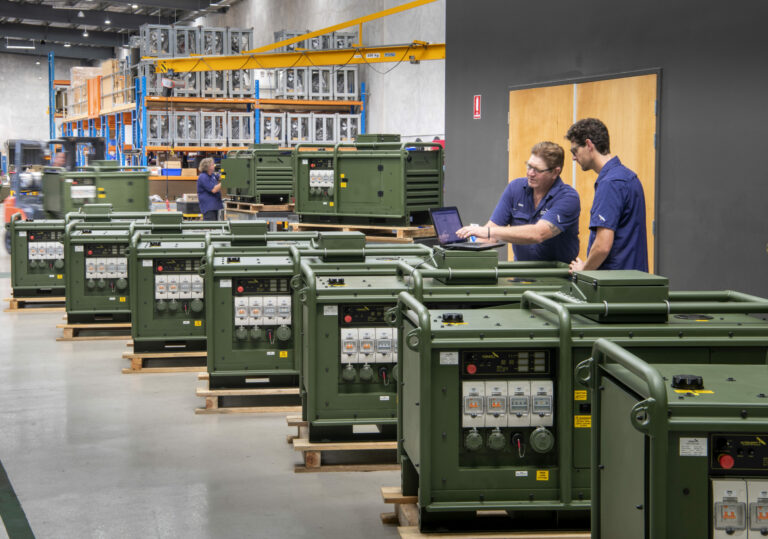
R&D collaboration in manufacturing is the key to turning a brilliant idea into a product people can actually buy. For decades, the gap between a research concept and a market-ready product has been the graveyard of many promising technologies. The research that looks perfect in a university lab can become a frustrating, expensive puzzle when you try to make it at scale.
This is the problem that R&D collaboration is designed to solve, and it’s a model that Australian manufacturers are increasingly using to turn home-grown innovation into commercial reality.
We started Reid Labs specifically to help entrepreneurs and researchers who had great designs but no clear path to manufacturing. We saw too many promising concepts stall at the prototype stage because the people behind them could not find a partner who understood both the technical details and the realities of production.
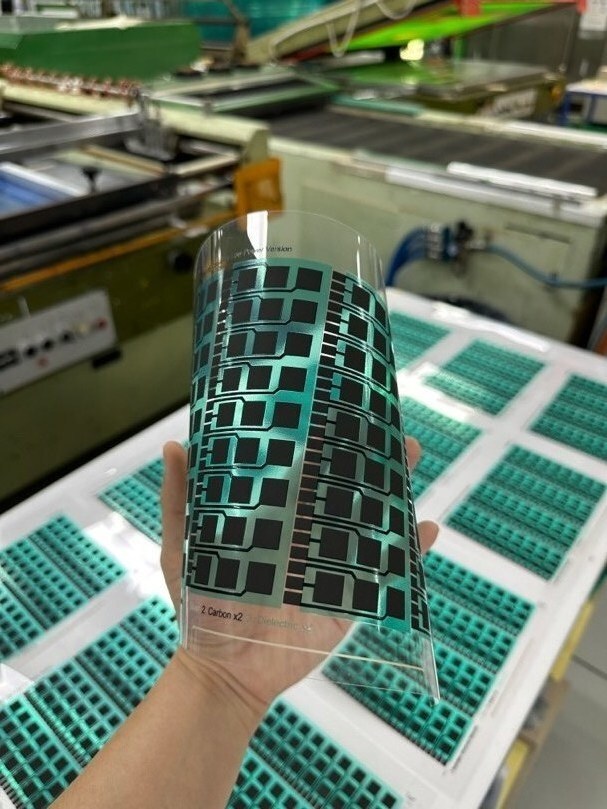
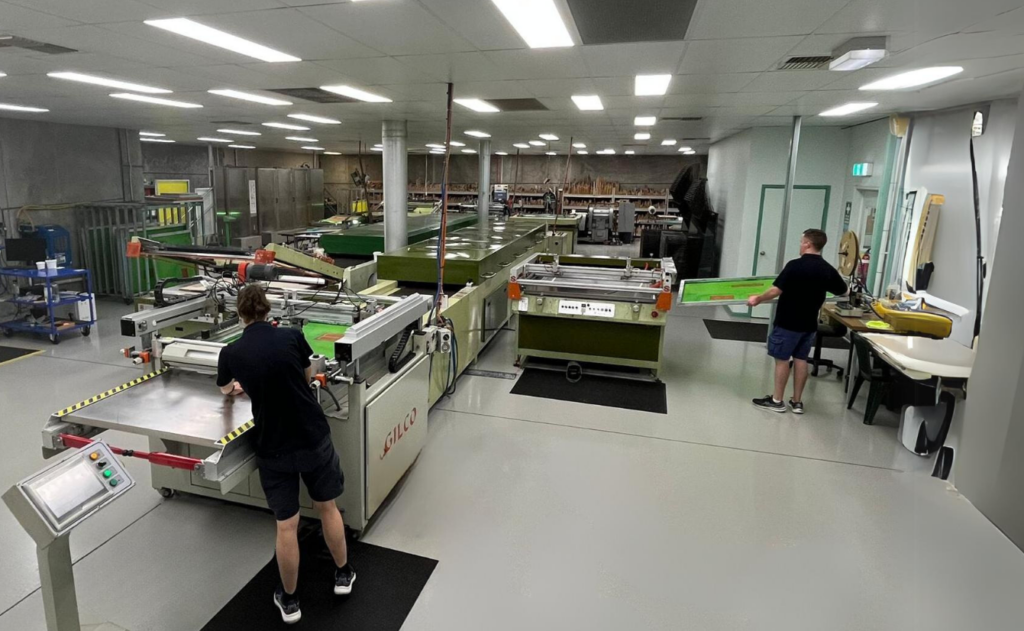
While our parent company specialises in manufacturing at scale for established OEMs, Reid Labs offers our customers a dedicated pathway for prototyping, engineering collaboration and regulatory guidance, with a clear, production-representative route to the factory floor.
Formal R&D collaboration in manufacturing provides access to specialised equipment and deep technical knowledge that would be too expensive or slow to build internally. Researchers are working on eco-friendly, flexible printed electronics that could create sustainable alternatives to conventional devices, but companies need a partner like Reid Labs to help them transition this research from a lab concept to a manufacturable product.
R&D Collaboration in Manufacturing: Case Study
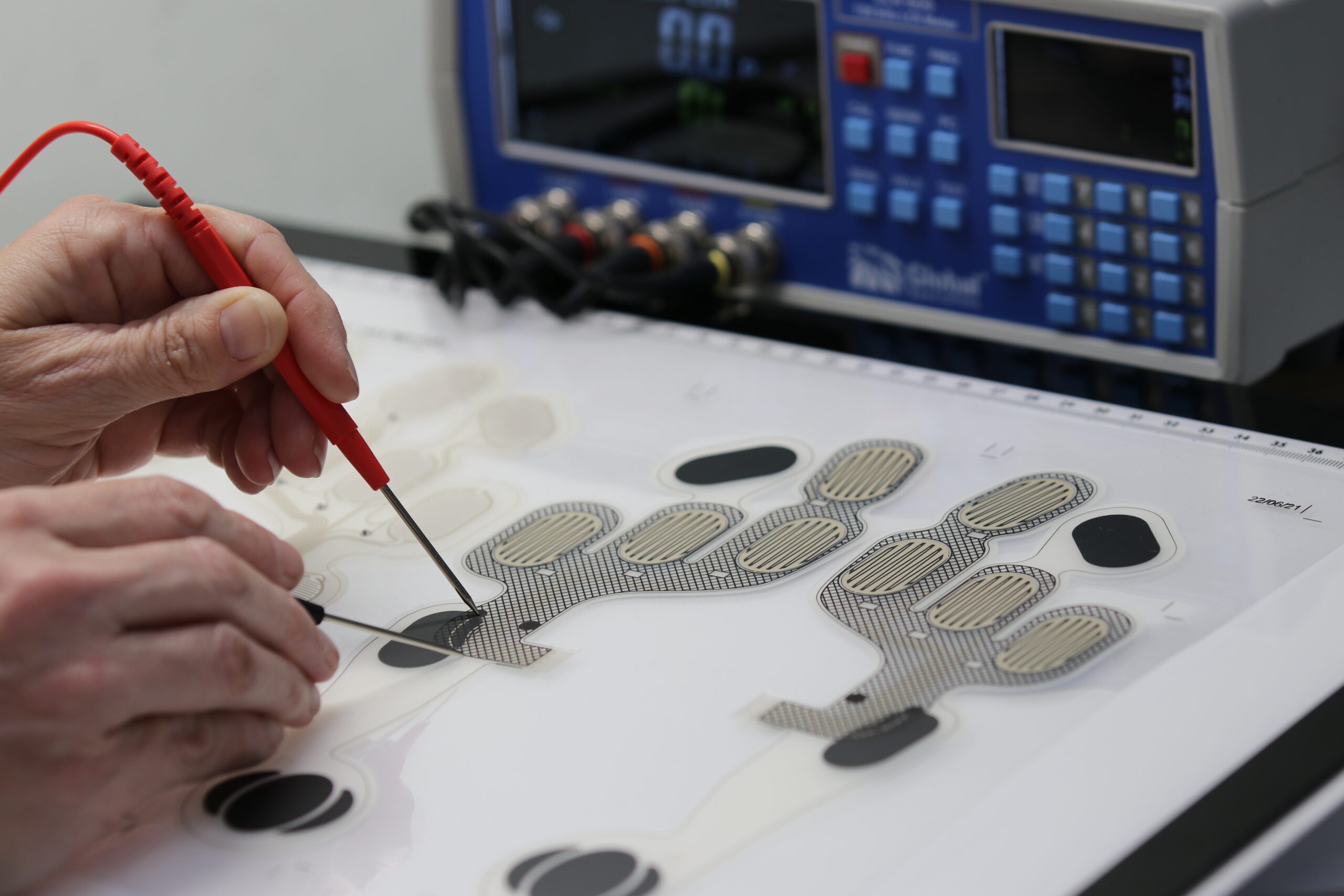
The value of this approach is proven by real-world results. Reid Labs partnered with Australian medical device company Memphasys to develop a flexible printed electrode sensor for the Felix IVF sperm separation device. This was a five-year journey from concept and prototyping through to design refinement and regulatory submissions, ultimately achieving both FDA (United States) and TGA (Australia) approval for the finished medical device. The electrode sensor is now in serial production, with an output of 16,000 units every two months supplying global IVF clinics. This case study demonstrates the long-term value of R&D collaboration in manufacturing: a significant early-stage investment that matures into a multi-year, recurring manufacturing relationship.

How R&D Collaboration Can Help Your Projects
Stronger R&D collaboration in manufacturing is widely agreed to be a key goal in the Australian innovation system. The Australian Industry Group has noted that collaboration is often driven by factors like familiarity with a university, the reputation of researchers, and the facilities and capabilities they offer.
A key advantage of working with an Australian-based partner for R&D collaboration in manufacturing is the pathway it creates to local production. The federal government’s Strategic Examination of R&D has proposed a new production tax credit specifically to encourage companies to keep the manufacturing of their R&D outcomes in Australia. This means that by starting your development journey with a partner like Reid Labs, you’re not just de-risking your technology, you’re also positioning yourself to benefit from government support for local production.
There is also a significant national momentum behind commercialising research through industry partnerships. The Australian Government’s $370.3 million Trailblazer Universities Program connects lead institutions like Curtin University, the University of Queensland, and Deakin University, with over 200 industry partners to accelerate the commercialisation of research in areas like critical minerals, defence, food, space, and recycling and clean energy. This program demonstrates a national commitment to, and investment in, the kind of industry-university collaboration that forms the core of what Reid Labs does.
Ultimately, the question for many companies is not whether to innovate, but how to bridge the gap between idea and reality. This is the core purpose of R&D collaboration in a manufacturing context. It provides the design gateway to ensure that a product is not just a working prototype, but one that can be built consistently, affordably, and to the required quality standards, right here in Australia.
Follow us on social media to see more industry insights in the world of printed electronics: