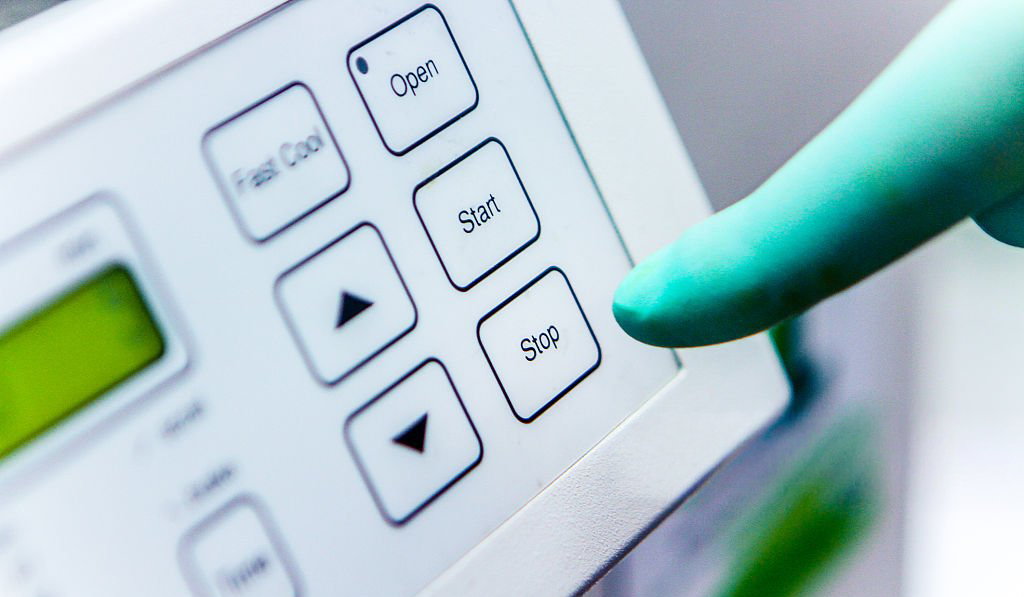
Membrane Switches & Keypads
Custom membrane switches, designed and manufactured in Brisbane since 1988. Sub-millimetre profile, over 2 million actuations, and sealed against water, chemicals and contaminants, built for equipment that has to keep working in the field.
Custom membrane switches & keypads
We manufacture for medical device makers, defence primes, industrial equipment builders and marine electronics specialists across Australia and internationally.
Also known as membrane switches or membrane touch panels, membrane keypads are an economical alternative to conventional mechanical switches. When engineered correctly, they are hard wearing and reliable across a wide range of electronic applications. Our membrane keypads are manufactured from MacDermid Autotype polyester film and can incorporate embedded SMD components and backlighting technologies.
Most suppliers quote membrane keypads from a minimum of 500 or 1,000 units. We tool and print in Brisbane, so we can run prototype and short run quantities that offshore suppliers will not quote. See our membrane keypad prototypes and short run production page for turnaround times and minimums.
The terms are used interchangeably across the industry, they're the same thing.
What is a membrane switch?
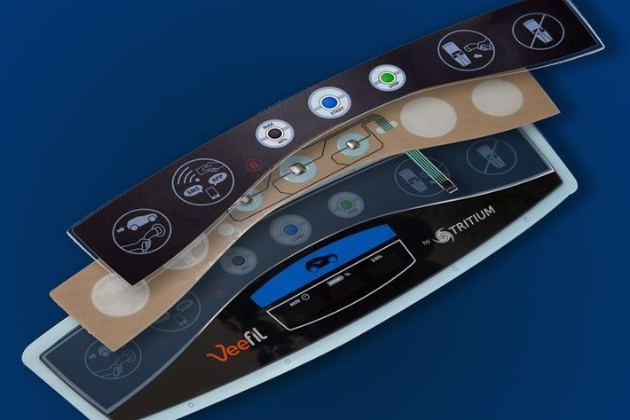
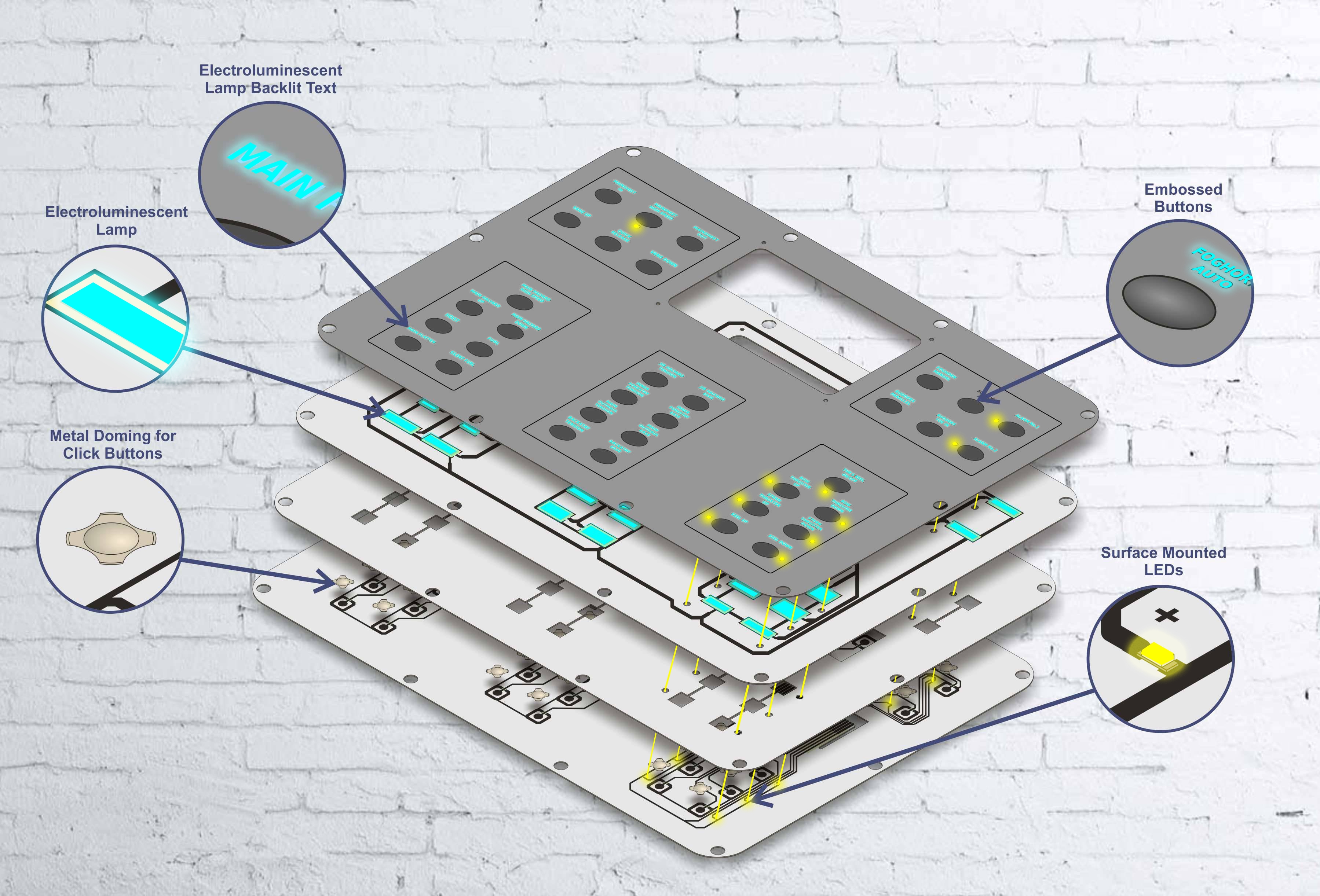
A membrane switch is one of the thinnest and most adaptable switch technologies available. Two flexible printed substrates are held apart by a spacer layer. Press the key, and the switch pads make direct contact. Release it, and the flexing membrane immediately returns to its open state.
Total thickness is under 1mm. There are no joins or openings to trap contaminants, and no mechanical moving parts to wear out.
The graphic overlay layer on top is where the design lives, printed on the second surface so the ink is protected, and embossed to give a positive tactile response over the life of the keypad.
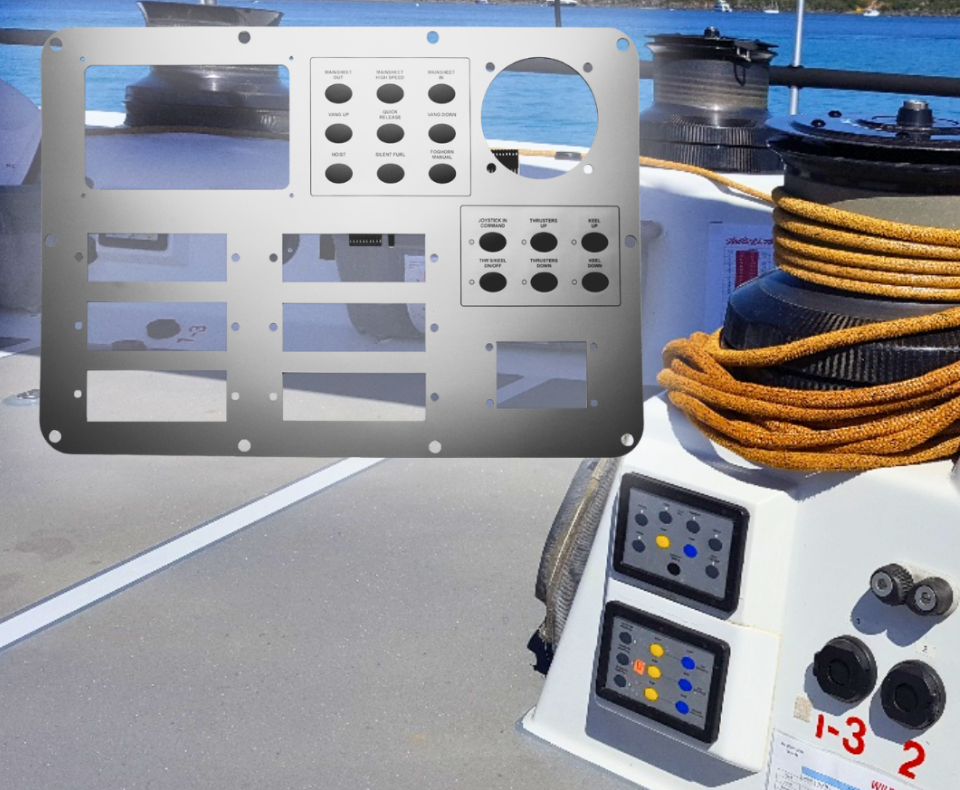
Olectric Systems is a Sydney marine electrical and electronics specialist with a reputation for state-of-the-art race yachts in Australia and overseas. Olectric has supported most Sydney to Hobart race entries for the past twenty years, building and maintaining the electrical and electronic systems on a fleet of racing yachts worldwide.
Reid Print Technologies has a long-standing relationship with Olectric, and was approached to redesign a range of existing rigid PCB assemblies, initially for the maxi yachts Wild Oats and Black Jack. The brief was demanding: the panels had to survive a harsh salt water environment at sea and the punishing physical loads of grinders and other deck operations, without compromising reliability during a race.
Using our IP design technologies, the result was a compact, weatherproof membrane switch assembly combining an embossed graphic overlay, SMD LEDs and electroluminescent backlighting. It replaced the vulnerable rigid PCB approach with a sealed, durable interface built for the deck of an ocean racer.
Each yacht Olectric works with is custom-engineered electrically and electronically, tuned to race faster, smarter and lighter. From maxi yachts and TP52s through to production keelboats, our interface panels are built to perform where they are needed most.
Built for the environment it lives in
Most membrane switch failures come down to the wrong material, not the wrong design. We specify from the full MacDermid Autotype range of hard-coated polyester films, and match the film to the environment.
Printed on the second surface, the first surface stays solvent, chemical and scratch resistant. Embossed graphic overlays deliver over 2 million actuations across the life of the keypad.
Water resistance: unlike most switch technologies, a properly designed membrane switch will stand up to washdown, semi-submersion and rigorous IP requirements.
Design options
Embossing
Raised keys, rims and borders via our Projecon thermoforming press, controlled to keep the panel waterproof and the tactile feel consistent for years.
Metal snap domes
Positive tactile click.
Backlighting
SMD LEDs, light guide film, electroluminescent (EL) or woven fibre optic. See Backlighting Technologies
Embedded SMD components
LEDs and resistors bonded into the switch construction.
Dead-front graphics
Icons and legends invisible until illuminated.
Display windows
Transparent and filtered apertures for LCD and LED displays.
EMI/RFI shielding
RF shield layers integrated into the switch construction.
Printed finishes
Photo-quality digital or screen print, metallic and mirror inks, selective textures.
Connectors and tails
Standard pitch, with or without terminating connectors.
3M adhesives
Industrial-strength bonding for a fully sealed assembly.
Engineering support
From design through to production.
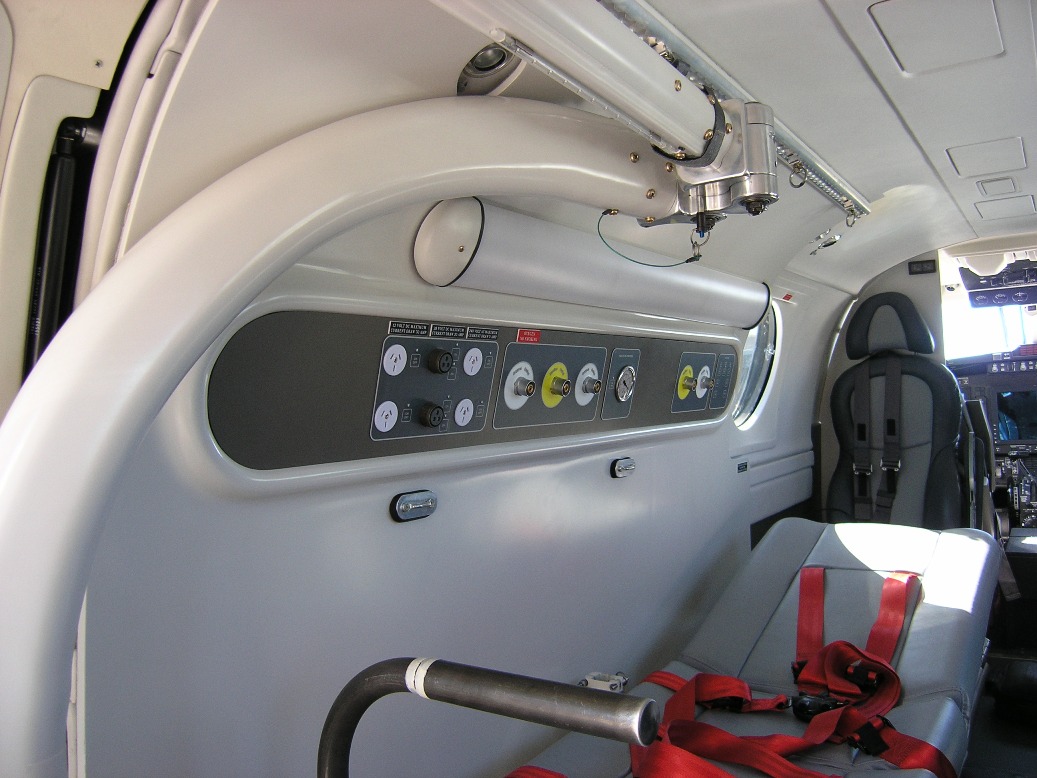
Total Aerospace Solutions designs, manufactures and installs modular aeromedical fitouts that turn fixed-wing aircraft like the Beechcraft King Air and rotary-wing platforms into intensive-care-capable patient transport systems. Their fitouts integrate patient loading devices, aeromedical seating and stretchers, ceiling service units, and the oxygen, power and intercom systems a medical crew relies on in the air.
Interfaces in this environment have to be sealed, reliable and readable in a confined, high-stakes cabin, where an operator may be working in gloves, in motion, during a patient transfer. Reid manufactures the interface panels built into these fitouts, an assortment of graphic overlays and backlit membrane switches, engineered to sit alongside Total Aerospace Solutions' own circuit boards and control systems.
The result is a sealed, durable set of HMI panels that perform first time, every time, in service of patient care.
Assembly and integration
Send us your PCBs or enclosures and we'll assemble in-house: membrane switch to PCB or pre-fabricated panel, including metal snap domes and spacers, shipped back ready to install. Integrating backlighting and SMD components turns a standard membrane switch into a plug-and-play assembly, while keeping the thin, robust profile other switch technologies can't match.
Prototypes and short runs
Membrane switch prototypes are, in essence, small production runs. The overlay can be digitally printed or screen printed, embossed and fitted with tactile domes. The circuit layers are fully functional and screen printed to exactly the same standards as full production, including backlighting. Our digital workflow means no tooling costs and short lead times.
More on Rapid Prototyping →Where our membrane switches are used






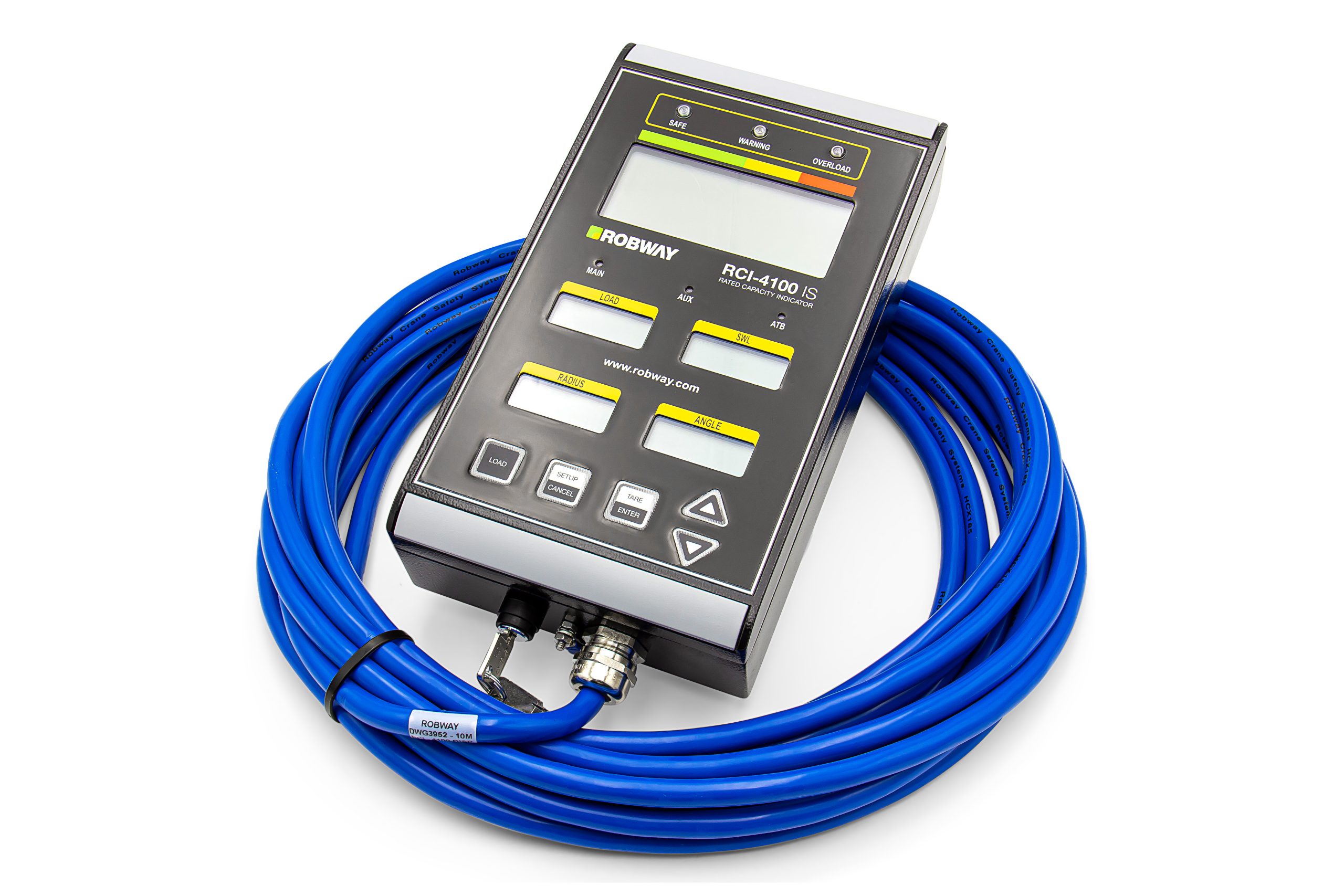
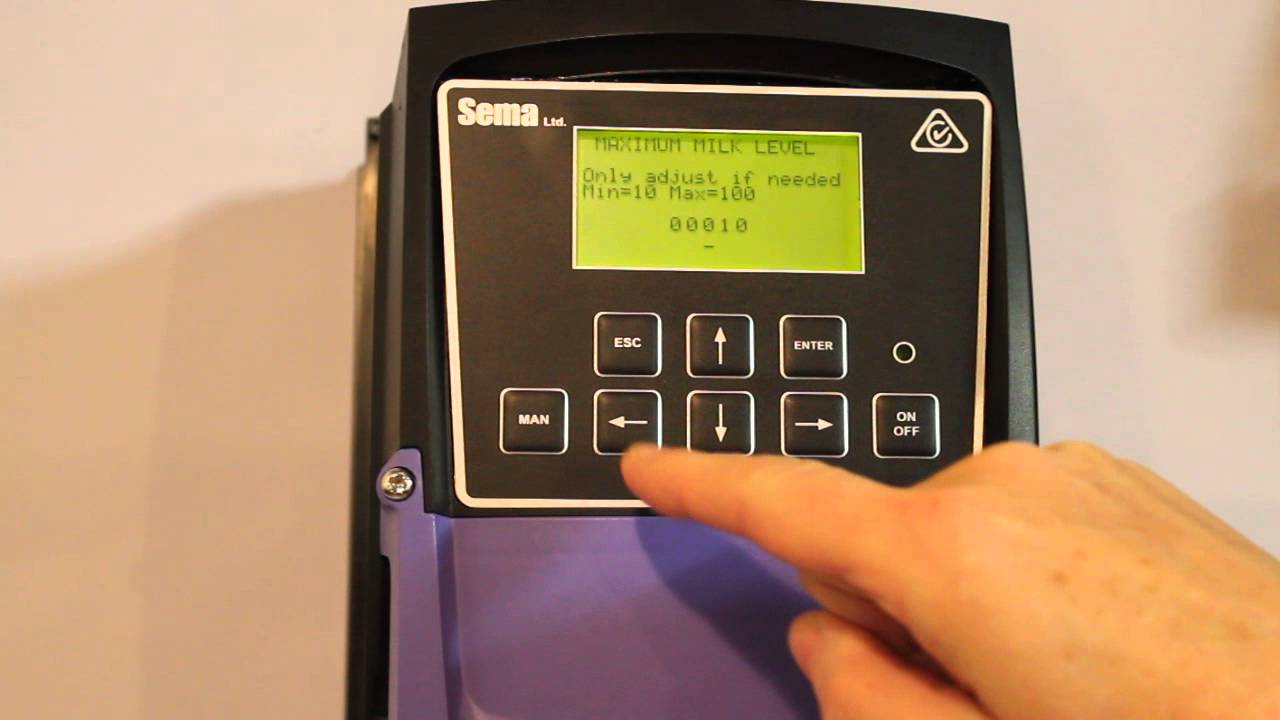
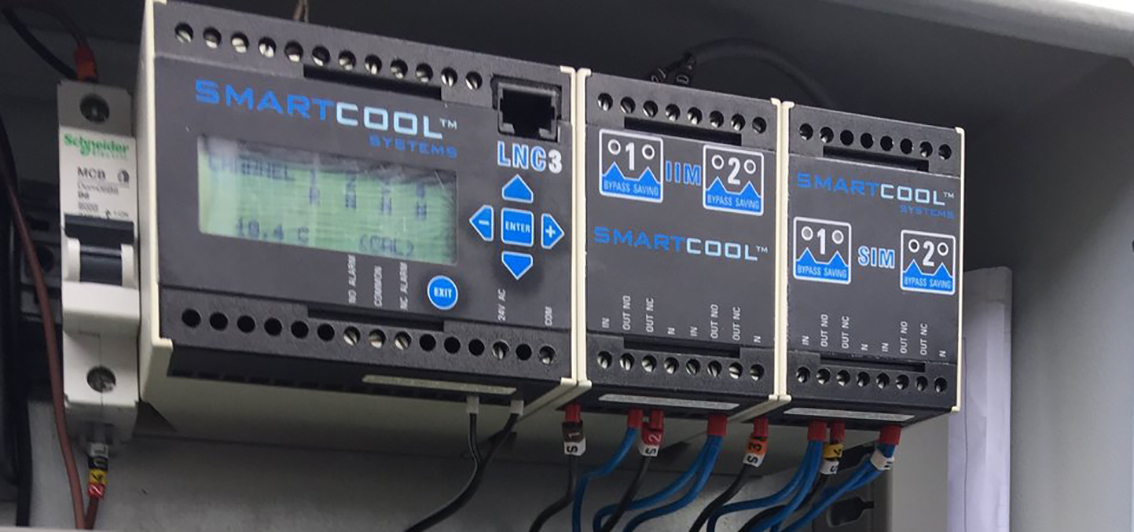
Membrane Keypad Projects
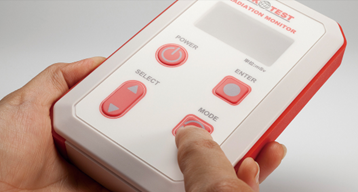
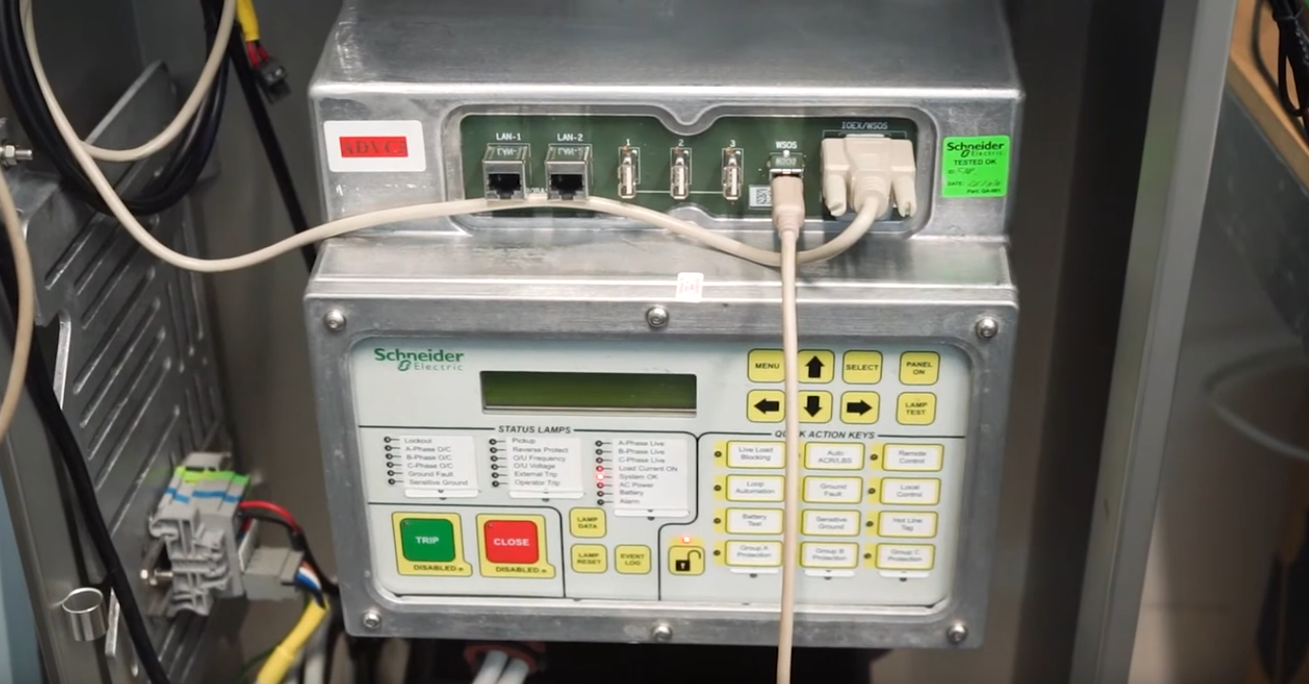
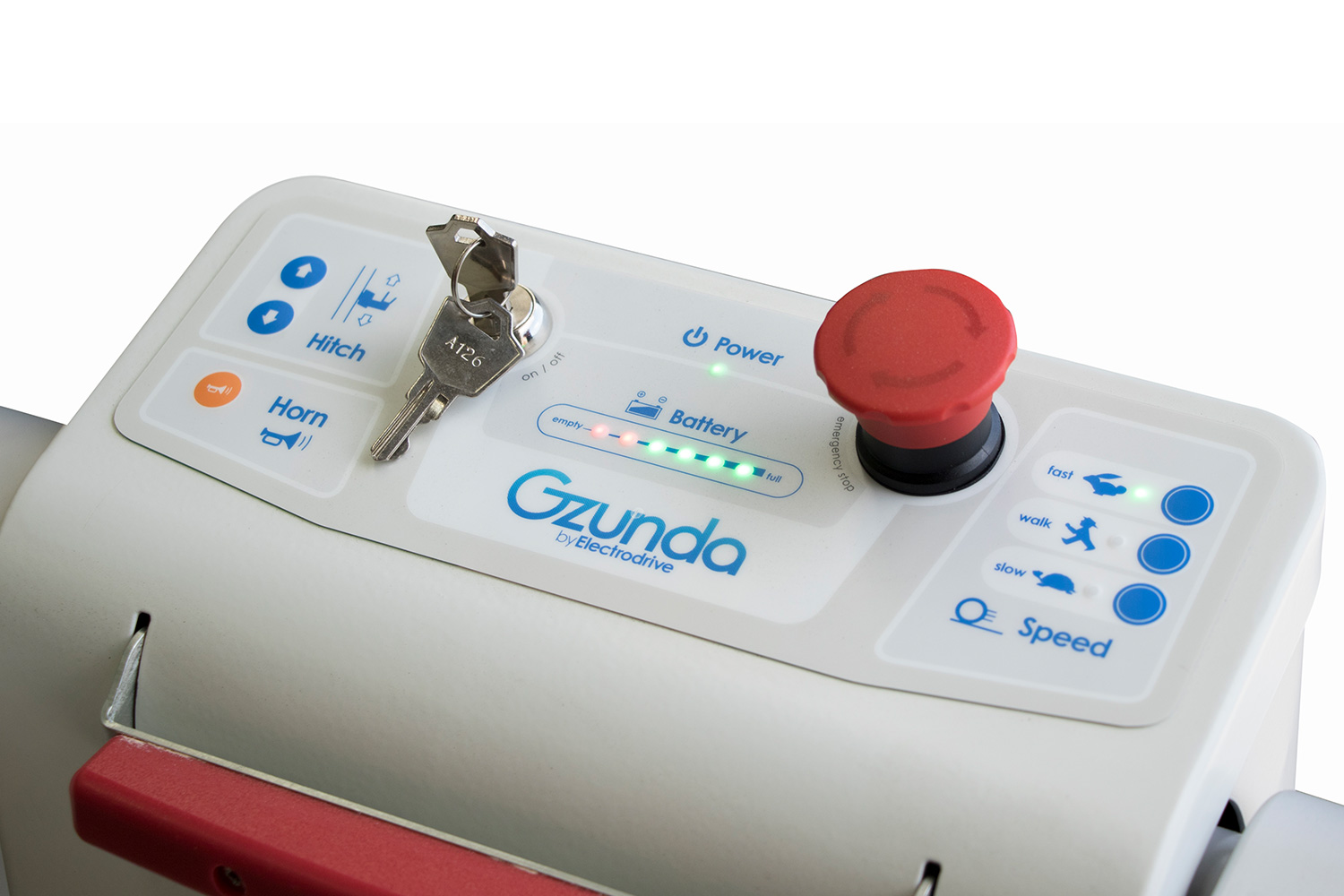
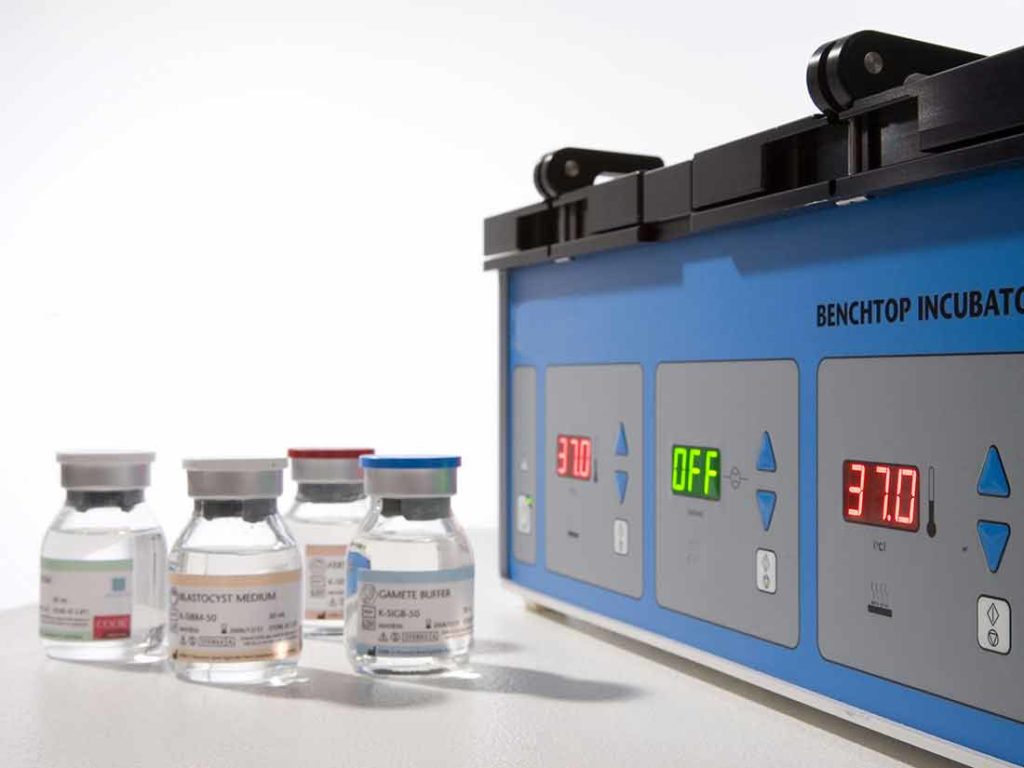
Frequently asked questions
How thick is a membrane switch?
Under 1mm total for a conventional construction: two flexible substrates separated by a spacer layer.
How long does a membrane switch last?
An embossed graphic overlay using MacDermid Autotype hard-coated polyester will deliver over 2 million actuations.
Are membrane switches waterproof?
A properly designed membrane switch will withstand washdown and semi-submersion. Sealing depends on the embossing process, adhesive selection and edge design, all controlled in-house.
Can membrane switches be backlit?
Yes. SMD LEDs, light guide film, electroluminescent (EL) lamps, or woven fibre optic. We manufacture EL lamps in-house.
What's the difference between a membrane switch and a capacitive switch?
A membrane switch is a physical contact switch with tactile feedback. A capacitive switch has no moving parts and triggers on the capacitance of a finger. See Capacitive Switches.
Is a membrane switch an HMI?
Yes. A membrane switch is one of several HMI (Human-Machine Interface) technologies, alongside capacitive switches, touchscreens and mechanical keypads. It's usually specified where you need tactile feedback, a sealed front panel, and a thin profile at moderate volumes.
Can you manufacture a replacement for an obsolete keypad?
Often, yes, including without original drawings. We reverse-engineer to our own specifications.
Do you manufacture in Australia?
Yes. Designed and manufactured at our Clontarf facility in Brisbane.
Need a membrane switch designed
and made in Australia?
Send us your drawings, your artwork, or a worn-out panel you need matched.