Environmental & Energy Practices
How we manage energy use and environmental impact at our Clontarf manufacturing facility.

Our Approach
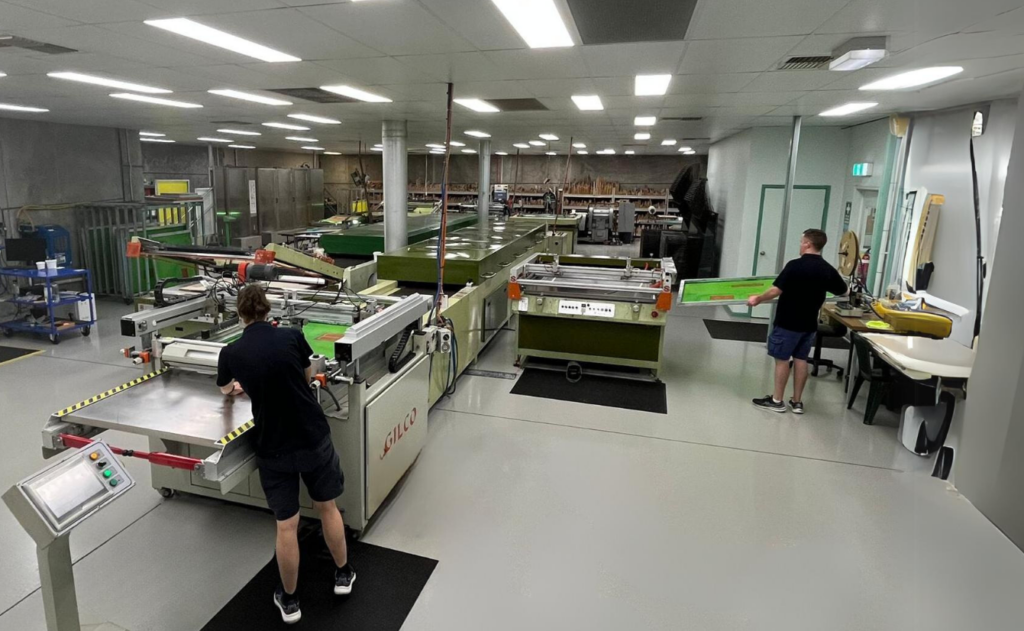
Manufacturing runs on power. Our screen printing, digital printing, and production equipment all draw meaningfully from the grid. Rather than treat energy use as background noise, we've made concrete, practical investments over the years to manage consumption and reduce our environmental footprint, without compromising the production capacity our customers rely on.
Responsible energy management is built into how we run the business, from the equipment we choose, to the way we monitor and maintain it, to the ongoing investments we make in more efficient technology. This page sets out what we've actually done: the audits, the equipment, and the changes that are in place at our facility today.
2015 Energy Audit
In 2015, we engaged external consultants to conduct a comprehensive energy audit of our Clontarf site. The goal was straightforward: identify realistic energy savings and reduce our carbon footprint without disrupting production.
The audit found our site's annual electrical usage was 129,104 kWh, with associated greenhouse gas emissions of approximately 102 tonnes of CO2 per year. This became the baseline for the changes that followed.
Where We Stand Today
Based on seven months of recent electricity billing, our average usage is approximately 171 kWh per day, annualising to around 62,500 kWh per year, down from the 129,104 kWh baseline recorded in the 2015 audit, a reduction of roughly 52%. Estimated annual emissions have fallen by a similar margin, though part of that improvement reflects Australia's electricity grid becoming cleaner over the past decade, not solely changes at our own facility.
This figure is based on real billing data across most of a year rather than a single month, giving a more reliable picture than a short-term snapshot, though usage still varies month to month with production levels and seasonal conditions.
Solar Investment
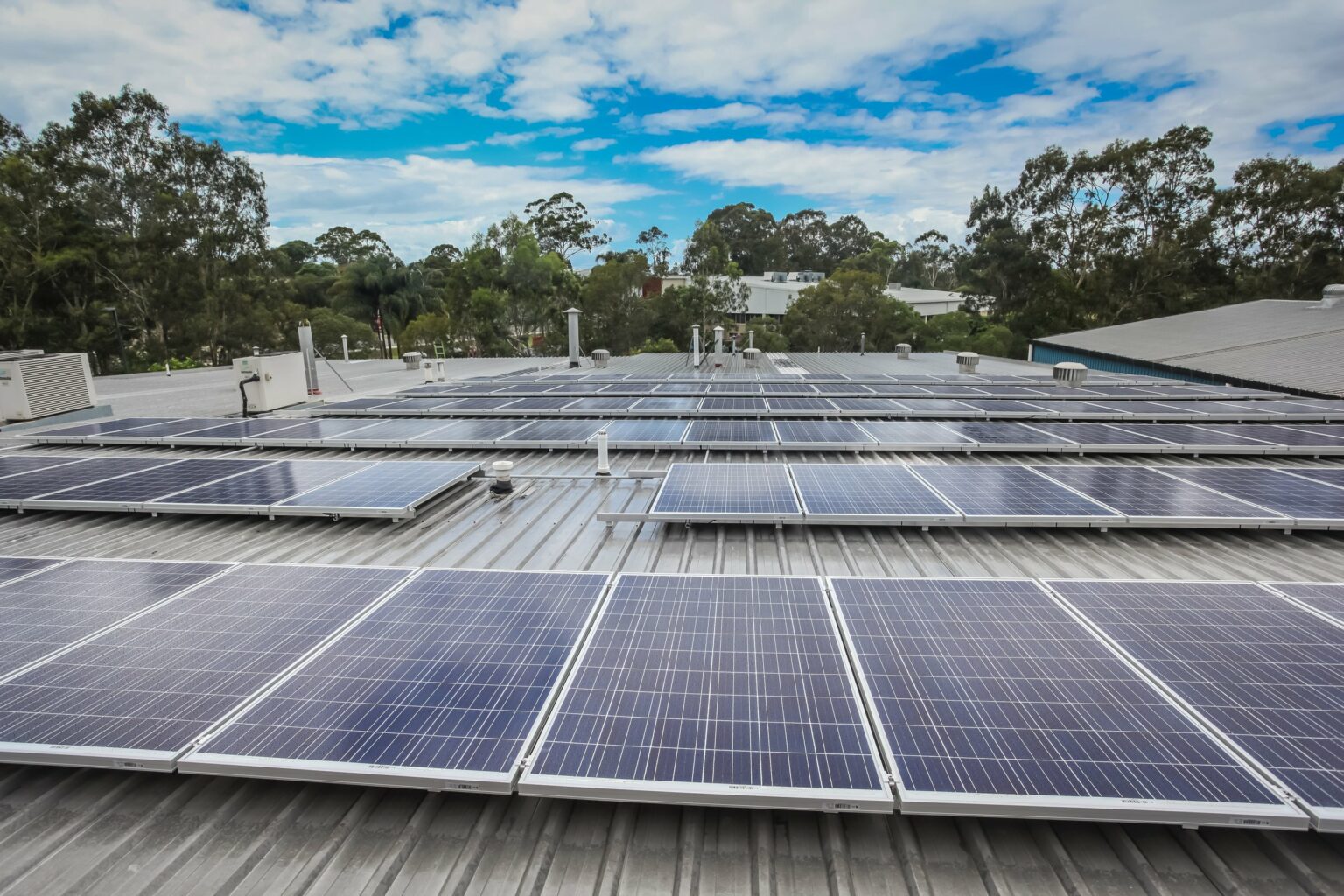
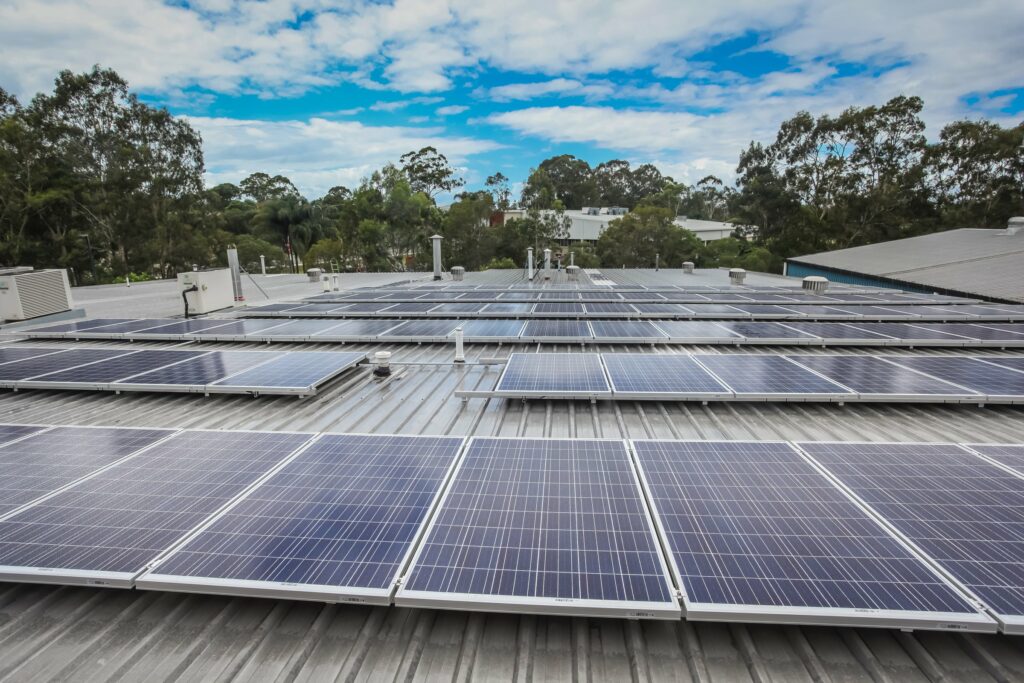
Following the audit's recommendations, we installed solar PV panels at the Clontarf facility to offset grid electricity usage. Since the initial installation, we've added further panel capacity to increase our on-site generation. This is a direct, ongoing investment in reducing our reliance on grid power.
Equipment Efficiency & Protection
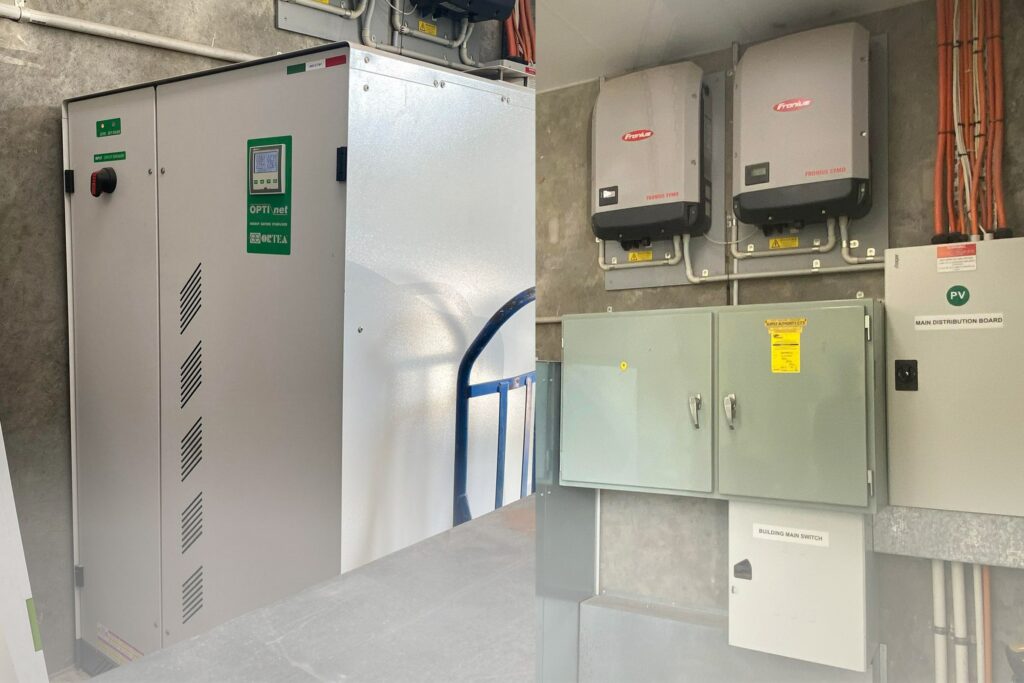
Alongside the solar investment, we installed Ortea energy-saving voltage stabilisers across our production equipment. These reduce energy waste from voltage fluctuations, cut unnecessary power consumption, and protect our computerised production equipment from surges and drops, extending equipment lifespan and reducing the need for repairs or replacements.
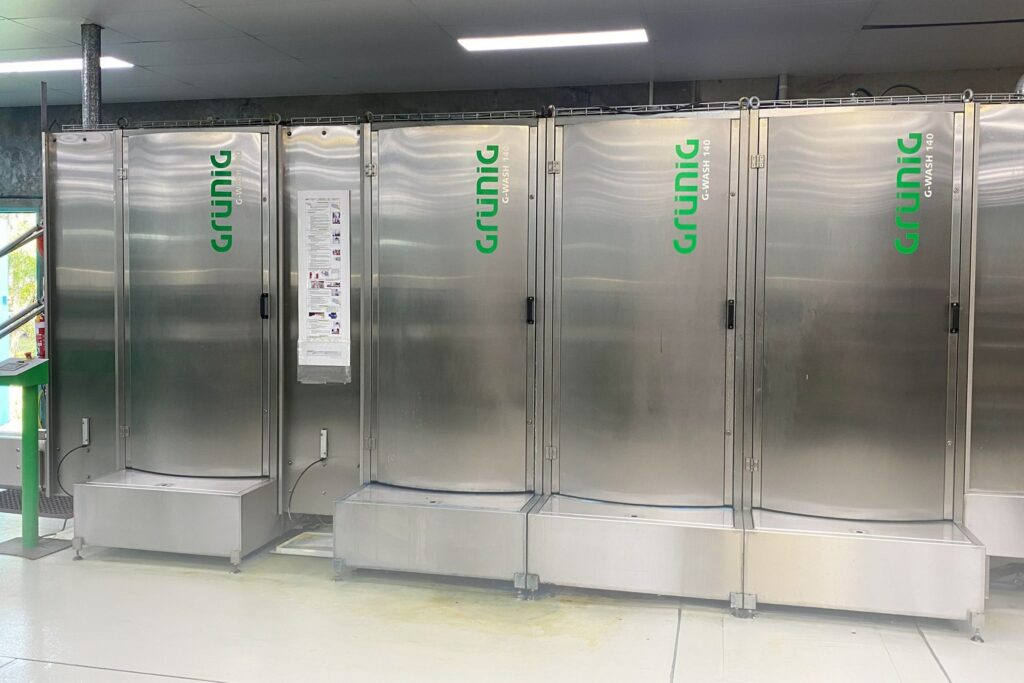
Our screen reclamation process is another area where equipment choice makes a real environmental difference. Our Grünig screen washing system uses a fully enclosed, closed-circuit design. Washing chemicals and water are recirculated within the machine rather than used once and discharged, which significantly cuts both raw chemical consumption and wastewater output compared to older open-wash methods. The enclosed stainless steel wash chamber also keeps solvent vapours contained, protecting air quality on our production floor for our team.
Our system is also fitted with an external water recycling and filtration module, allowing wash water to be reused multiple times before disposal, while capturing solid ink and emulsion residue before it reaches the drain.
Programmable wash cycles let us tailor exposure time, spray pressure, and chemical use to what each screen actually needs, avoiding the waste that comes from a one-size-fits-all wash cycle.
Efficient equipment isn't a one-off project for us. It's an ongoing consideration in how we maintain and upgrade our facility. As equipment reaches end-of-life or as better options become available, energy efficiency is one of the factors we weigh in what we choose next.
Evaporative Cooling & Air Filtration
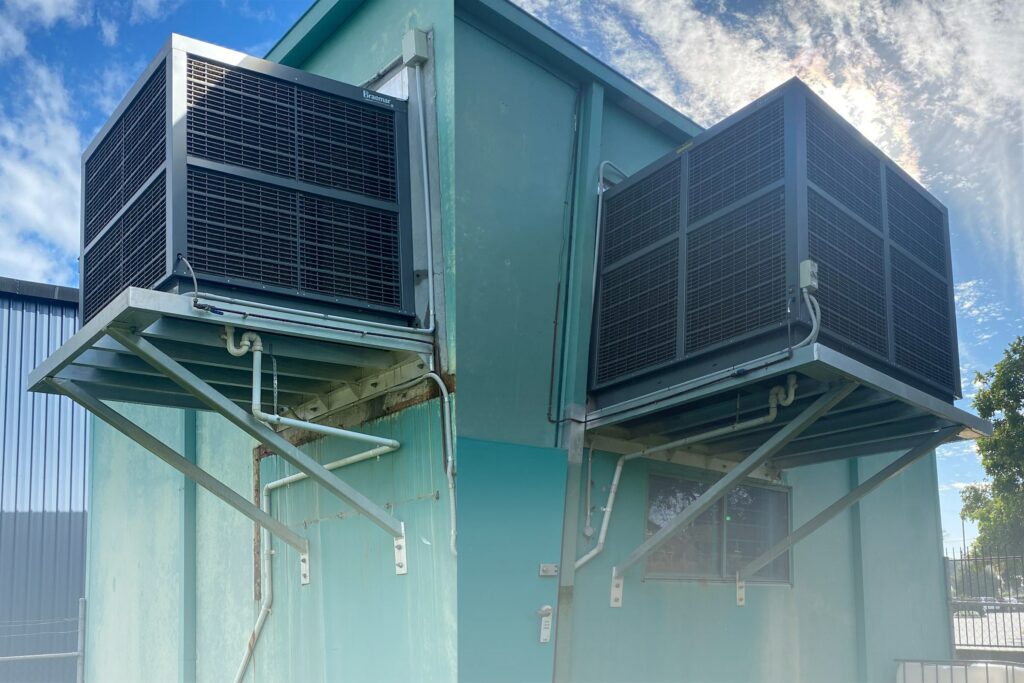
We've installed evaporative cooling systems at our Clontarf facility that supply clean, filtered air to the production floor and help keep the factory cool through summer. Evaporative cooling uses significantly less energy than standard refrigerated air conditioning, since it cools air through water evaporation rather than a mechanical refrigeration cycle. This is a genuine efficiency saving on top of the air quality benefit for our production team.
LED Lighting Retrofit
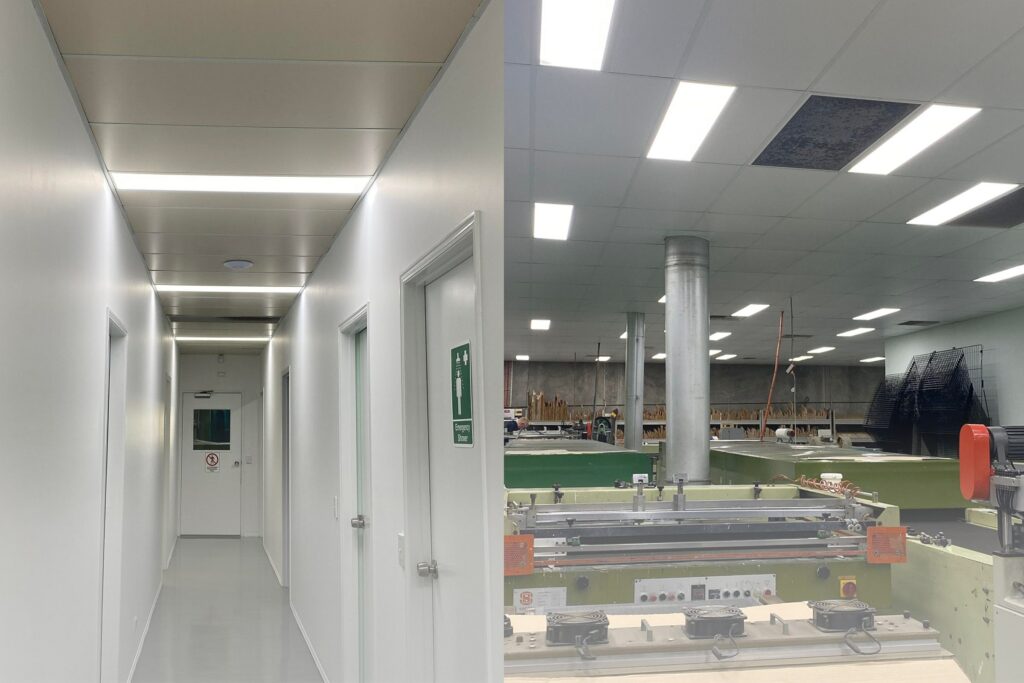
Following a recommendation from our 2015 energy audit, we retrofitted lighting across the entire Clontarf facility, replacing standard fluorescent tube lighting in both our production floor and office areas with LED lighting. LED lighting uses significantly less energy than fluorescent tube lighting for the same light output, while also lasting considerably longer, reducing both our power consumption and the frequency of tube replacements and associated waste.
How We Manage Energy Day-to-Day
Good energy management in a manufacturing environment comes down to a few consistent practices, and these are built into how our facility runs:
- Equipment maintenance: well-maintained equipment runs more efficiently and uses less power than poorly maintained equipment doing the same job. Regular servicing is part of how we protect both our energy usage and our production reliability.
- Monitoring usage: keeping track of where and how power is used across the facility helps us identify waste and inefficiency before it becomes a bigger cost, both financially and environmentally.
- Considered equipment choices: when investing in new production equipment, energy efficiency is one of the factors that informs the decision, alongside performance, reliability, and cost.
- Reducing waste: minimising material waste in our production processes reduces both our environmental footprint and our costs, and it's a standard part of how our production team operates.
These aren't abstract commitments. They're the same practical, cost-conscious thinking that's guided an Australian-owned manufacturing business since 1988.

Ongoing Commitment
We continue to review our energy use and environmental practices as part of normal facility management, not as a one-off project, but as an ongoing part of how we operate. As our business grows, we intend to keep looking for genuine, practical ways to reduce our footprint without compromising the quality and reliability our customers depend on.