
The world around us is getting smarter; your car, your fridge, and even the packaging on your food are quietly gaining the ability to sense, communicate, and respond. This shift is powered by two distinct technologies: IoT and printed electronics. Combined, they’re the invisible layer that connects everyday objects to the internet, making them “smart” without making them bulky or expensive.
The Internet of Things (usually abbreviated as IoT) is the vast network of physical devices that are connected to the internet, sharing data and making decisions. For it to work, IoT needs sensors that are adaptable, flexible, and can be produced on a massive scale. This is exactly why IoT and printed electronics can often be found working together, even in the most unlikely of places.
How do IoT and Printed Electronics Work Together?
Imagine printing a newspaper, but instead of ink, you use conductive materials to create an electronic circuit. That’s the basic idea behind printed electronics. This process allows electronic circuits to be printed onto flexible materials like plastic, paper, or even fabric.
This is particularly beneficial for IoT applications. Instead of rigid circuit boards, you get thin, lightweight, and flexible components that can be integrated into almost anything. The global market for printed electronics is projected to grow to AUD $54 billion by 2030, largely driven by the need for these smart, connected sensors. Additionally, recent academic research demonstrates how printed electronics, combined with backscatter communication and low-power design, can enable the vision of “Ambient IoT,” where miniature devices operate without manual battery replacement.
How IoT and Printed Electronics are Changing Daily Life
Healthcare and Wearable Technology
One of the most visible and life-changing applications is in healthcare. The combination of IoT and printed electronics enables the creation of flexible, skin-friendly sensors that can monitor vital signs continuously. For example, a printed sensor patch can be worn on the skin to track heart rate, body temperature, and other health metrics.
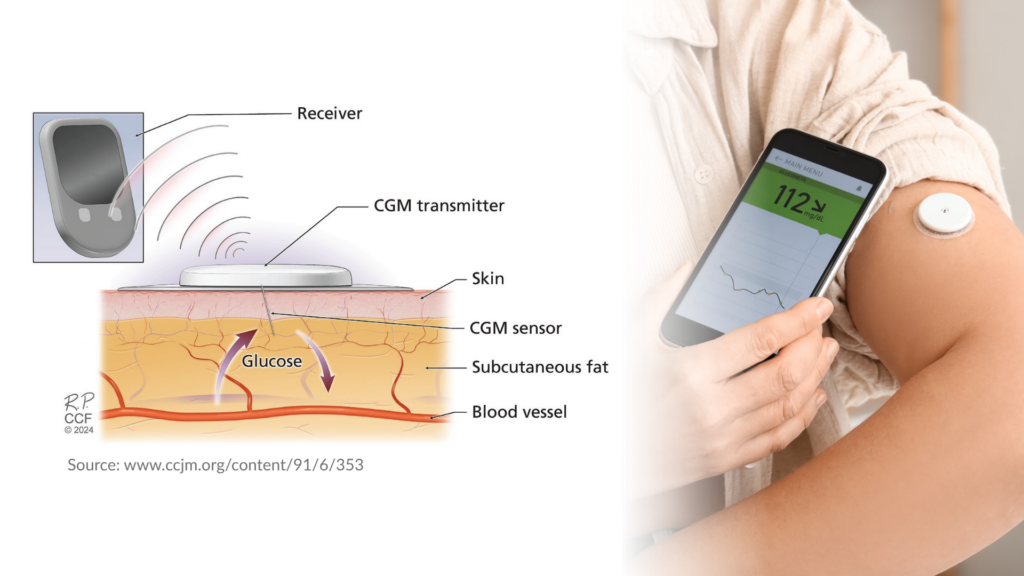
This data can then be sent wirelessly to a phone or a doctor, allowing for remote patient monitoring and early detection of health issues. In addition, recent research indicates that flexible printed sensors and multi-modal sensing systems are key for applications in health monitoring, as well as environmental interaction, and autonomous operation.
Smart Packaging and Logistics
The ability to print electronics on paper opens up exciting possibilities for smart packaging. Printed sensors, RFID tags, and NFC antennas can be integrated into packaging to track products through the supply chain, monitor their condition, and even provide a new way for consumers to interact with a brand.
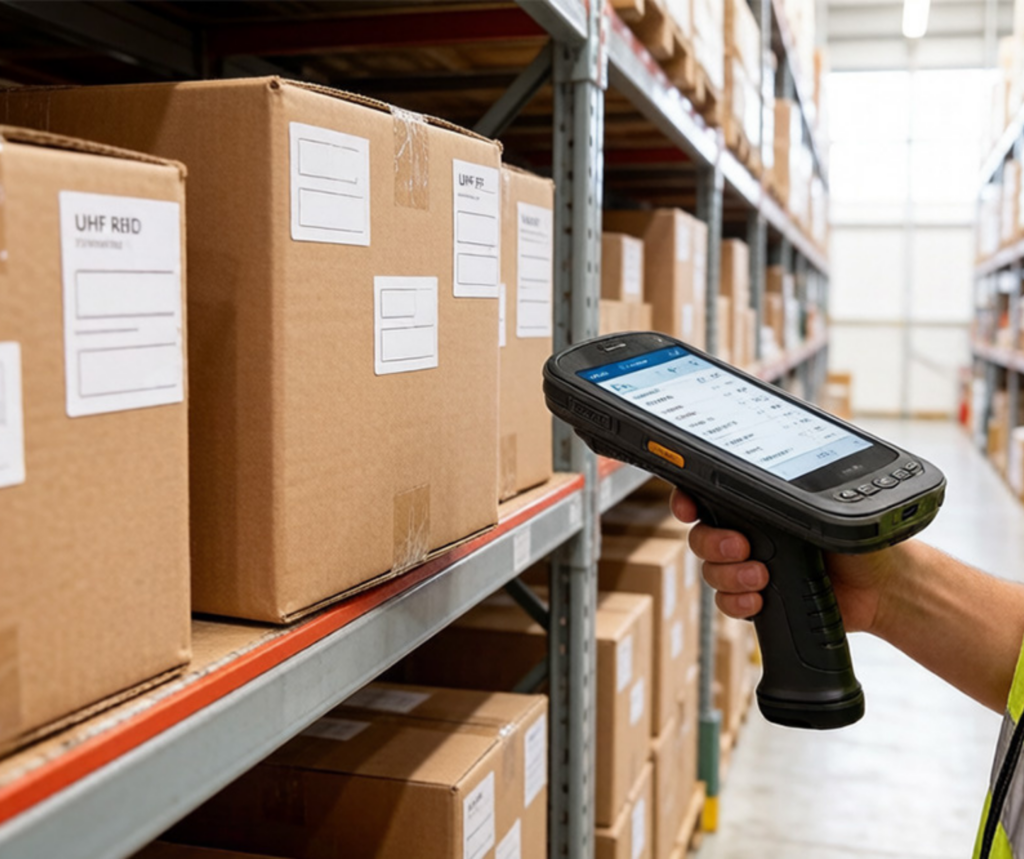
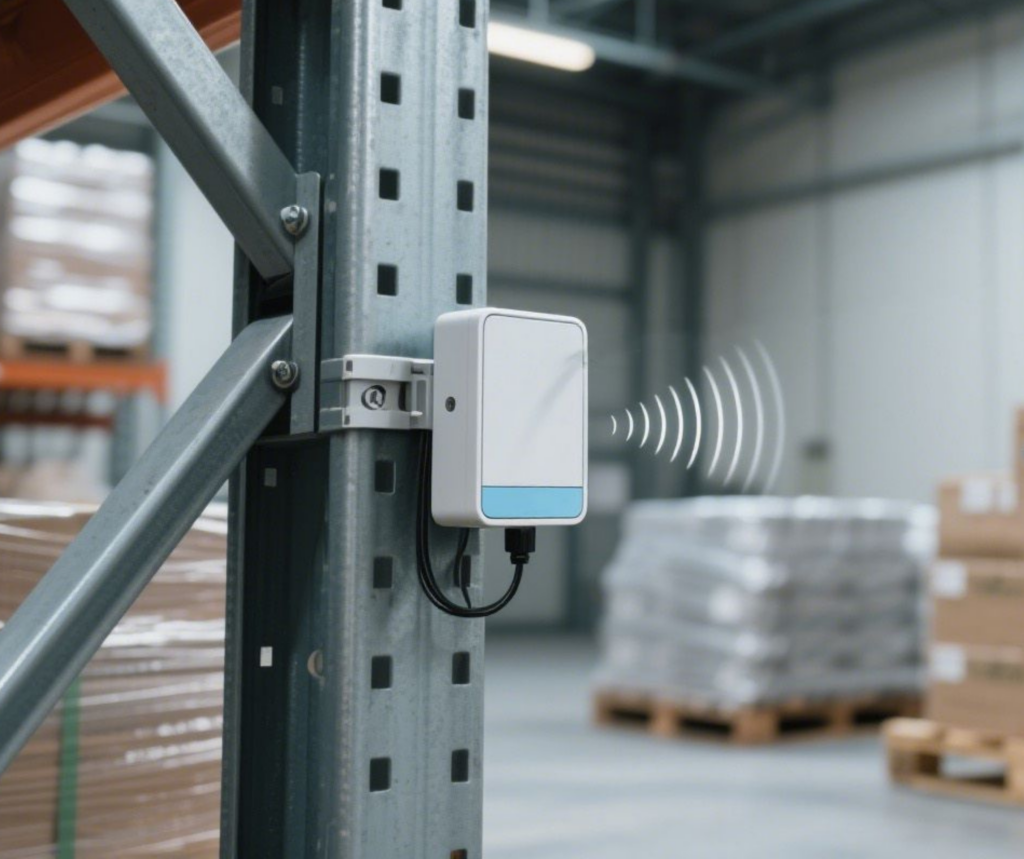
For instance, researchers are developing fully biodegradable printed sensors using biomass-derived inks and agricultural paper, pointing the way toward truly sustainable, short-lifecycle IoT applications. This technology is essential for modern supply chains.
Automotive and Industrial IoT
The automotive sector is using the synergy between IoT and printed electronics for lightweight sensors, in-mold electronics, and illuminated displays. Printed electronics are increasingly seen as a key innovation driver, enabling applications like structural health monitoring and advanced battery management for electric vehicles. In industrial settings, printed sensors are used for predictive maintenance, monitoring machinery and alerting operators before failures occur.

The OE-A Roadmap confirms that flexible and printed electronics are now well-established in the automotive sector, with the Internet of Things (IoT) driving industrial applications. The technology is attracting strong interest from global vehicle manufacturers, who see its potential for next-generation vehicle design and functionality.
Our Role in the IoT and Printed Electronics Landscape
At Reid Print Technologies, we are proud to be part of this exciting growth. Our capabilities have been assisting in the demands of the IoT sector for over 35 years. We design and manufacture flexible printed sensors, printed antennas for wireless communication, and complex user interfaces.
Our R&D division, Reid Labs, is dedicated to taking an idea from a prototype to a production-ready product. As one of Australia’s few fully integrated printed electronics manufacturers, we offer our local supply chain security, rapid prototyping, and full traceability that is critical for bringing the next generation of smart devices to life.
The era of smart, connected objects is here. The technology that makes it possible is the powerful combination of IoT and printed electronics, and it is being developed and manufactured right here in Australia.
Ready to discuss your IoT project with our local team? Contact us today.
Follow us on social media to see more industry insights in the world of printed electronics: