
Flexible Printed UHF & RFID Antennas
Screen-printed flexible antennas on polyester PET — low-resistance silver traces, 3M adhesive application, from KHz up to 400 to 600 MHz UHF. Designed and manufactured in Brisbane, Australia.
Flexible printed antennas, built to your design
Reid Print Technologies is a manufacturer of highly reliable flexible printed antennas, generally produced on polyester PET substrates. They offer low electrical resistance, excellent flexibility, and apply easily to almost any surface using 3M transfer adhesives.
We print production quantities of HF to UHF antennas to our customers' designs, including UHF coaxial dipole, 4.5 dBi pole, cellular GPS, patch, log-periodic dipole and Bi-Squared microstrip antennas, in shapes and sizes to suit the application. We firmly believe printed antennas will be a critical part of the wireless networks behind the Internet of Things.
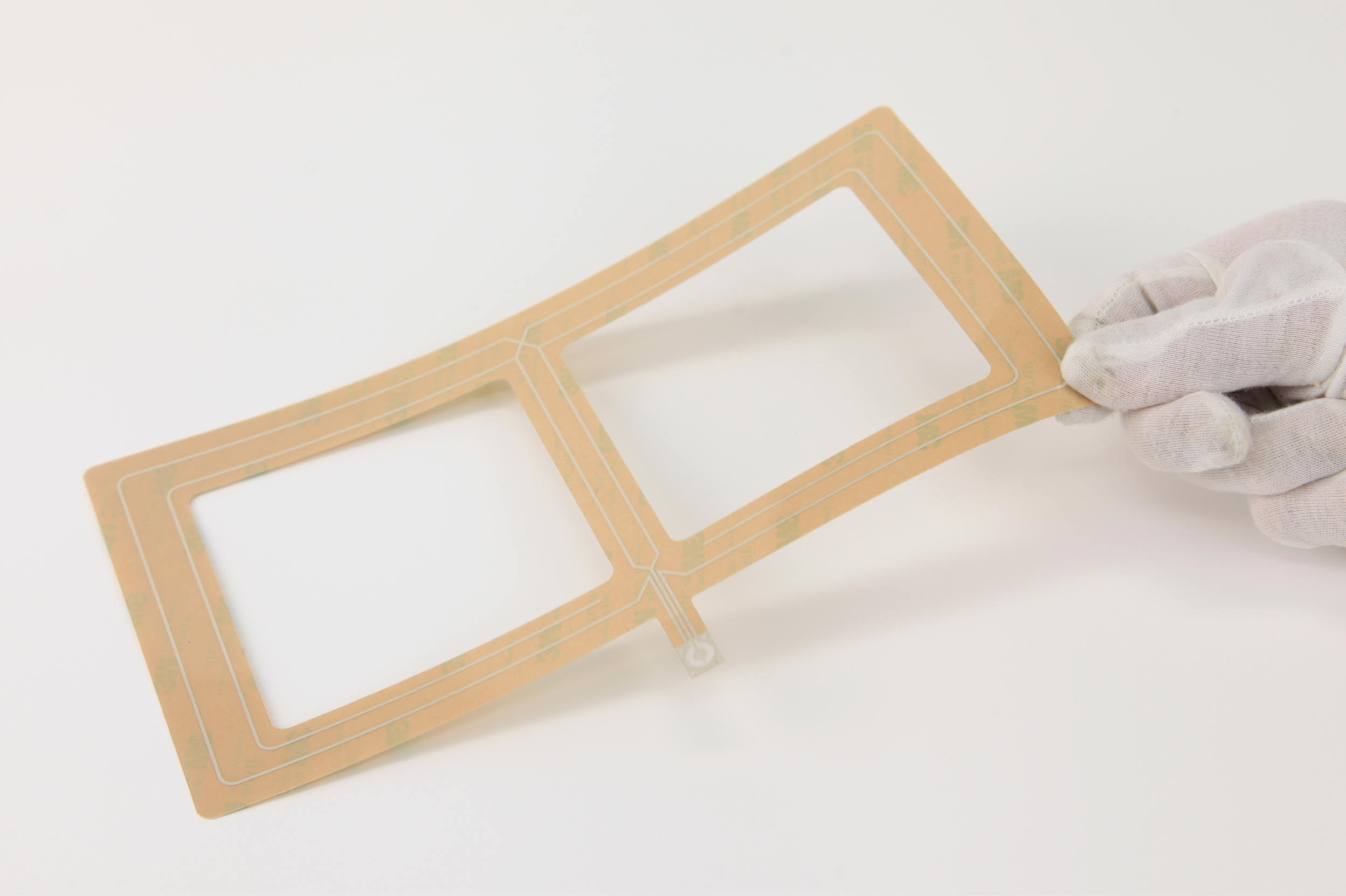
Printed antenna types we manufacture
We have printed production quantities of HF to UHF antennas to customer designs. Common formats include:
UHF Coaxial Dipole
Flexible coaxial dipole antennas for UHF communications, printed to custom lengths.
Bi-Squared UHF Microstrip
Screen-printed Bi-Squared microstrip antenna covering a wide range up to 400 to 600 MHz, used as a UHF-RFID transponder.
4.5 dBi Pole Antenna
Higher-gain pole antenna format for extended-range applications.
Cellular GPS
Printed cellular and GPS antennas for connected and tracked devices.
Patch Antenna
Low-profile patch antennas that conform to flat or curved surfaces.
Log-Periodic Dipole
Wideband log-periodic dipole arrays printed on flexible substrates.
Microstrip printed antennas can be produced in a wide variety of shapes and sizes based on your design and specifications.

Based on a customer's design, we successfully screen printed a Bi-Squared UHF microstrip antenna, developing the process through R&D until we achieved a wide-ranged trans-receiver system from KHz to the ultra-high-frequency range of 400 to 600 MHz. Printed in large volumes, this type of antenna has been used as a UHF-RFID transponder to send and receive data at ranges of up to 5 to 10 metres.
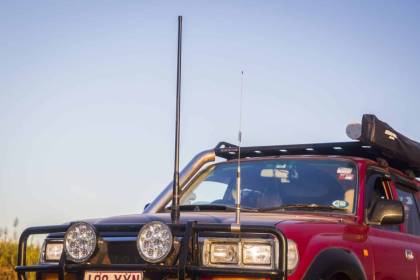
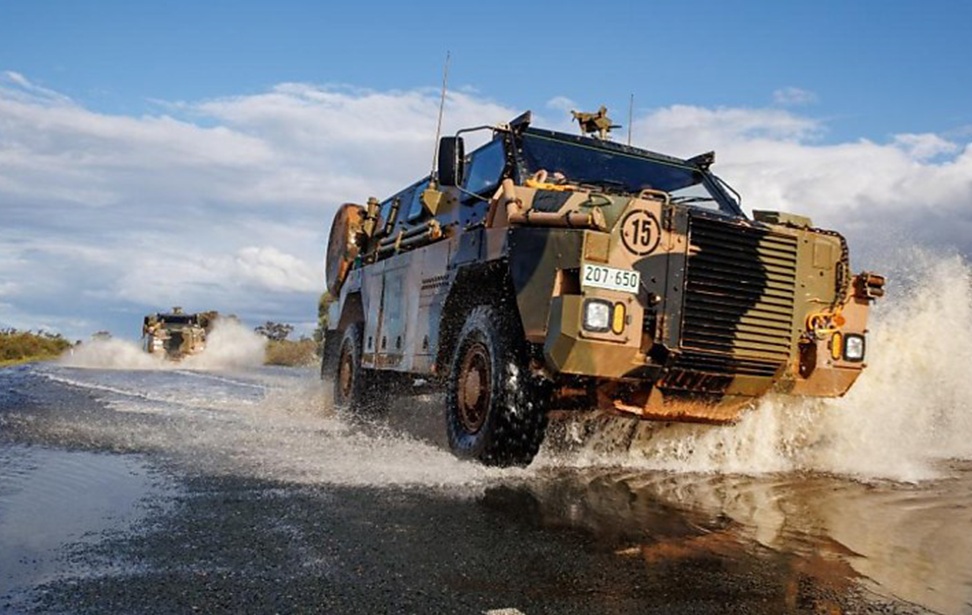
Earlier printed antenna projects of this kind have supported applications including automotive windscreens, military applications, wearable devices using a printed antenna as the communication channel, and a range of Internet of Things deployments.

How our printed antennas are made
Every antenna is screen printed, depositing conductive ink onto the substrate in a precise single pass. A consistent, high-performance antenna comes down to controlling the whole process: high-definition film positives, the right mesh and stencil, snap-off distance, geometry, and the planarity of the underlying flexible substrate.
Conductive, dielectric and other inks each cure differently, so pre, mid and post-print curing is monitored and controlled throughout. Years of screen-printing R&D let us hold accuracy across ink thickness and conductivity, and repeat it reliably across production batches.
Flexible antenna benefits
Design Freedom
More design flexibility than rigid components. A printed antenna can be wrapped around a cylindrical object or conform to a complex surface for compact device integration.
Durability
Second-surface printing gives improved resistance to scratching and chemical degradation, and is easier to prepare for harsh internal or external environments.
Production Advantage
The printing process suits high-volume production, with custom connector attachment to any header or lead format.
Materials & specifications
Silver polymer traces
Low-resistance printed silver polymers are the most common circuit-trace material and the most cost-effective solution, with quality-controlled printing and curing for consistent frequency output across batches.
MacDermid Autotype PET
Reid uses MacDermid Autotype polyester PET film exclusively as the base layer on all printed antennas, for low electrical resistance and excellent flexibility.
3M transfer adhesive
Supplied with 3M transfer adhesive for easy surface application, with standard connectors or custom punched formats. Frequency range from KHz up to 400 to 600 MHz UHF.
Where our printed antennas are used
Printed Antenna Range



Printed antenna FAQs
What is a printed antenna?
A printed antenna is an antenna screen printed from conductive ink (usually a silver polymer) onto a thin flexible substrate such as polyester PET, rather than etched from metal. It is low-profile, flexible, and can be applied to almost any surface.
Can you print UHF and RFID antennas?
Yes. We print UHF antennas and UHF-RFID transponder antennas, including Bi-Squared microstrip designs, tuned across a wide range up to the 400 to 600 MHz UHF band, in production volumes to customer designs.
What substrate and inks do you use for printed antennas?
Flexible polyester PET film, exclusively MacDermid Autotype, with low-resistance printed silver polymer conductive traces. Other conductive and dielectric inks can be used depending on the antenna design.
What antenna types can you manufacture?
UHF coaxial dipole, Bi-Squared UHF microstrip, 4.5 dBi pole, cellular GPS, patch and log-periodic dipole antennas, in custom shapes and sizes to suit the application.
How are the printed antennas applied to a product?
Most are supplied with 3M transfer adhesive for easy application to a surface, with standard connectors or custom punched formats to match your assembly.
What frequency and range can printed antennas achieve?
We print antennas from the KHz range up to 400 to 600 MHz UHF. In UHF-RFID transponder applications, our printed antennas have trans-received data at ranges of up to 5 to 10 metres, depending on the design.
Do you manufacture printed antennas in Australia?
Yes. Designed, screen printed and finished at our facility in Brisbane, Australia.
Need a printed antenna designed
and made in Australia?
Send us your antenna design or the frequency and application you need, and our Brisbane engineers will take it from there.