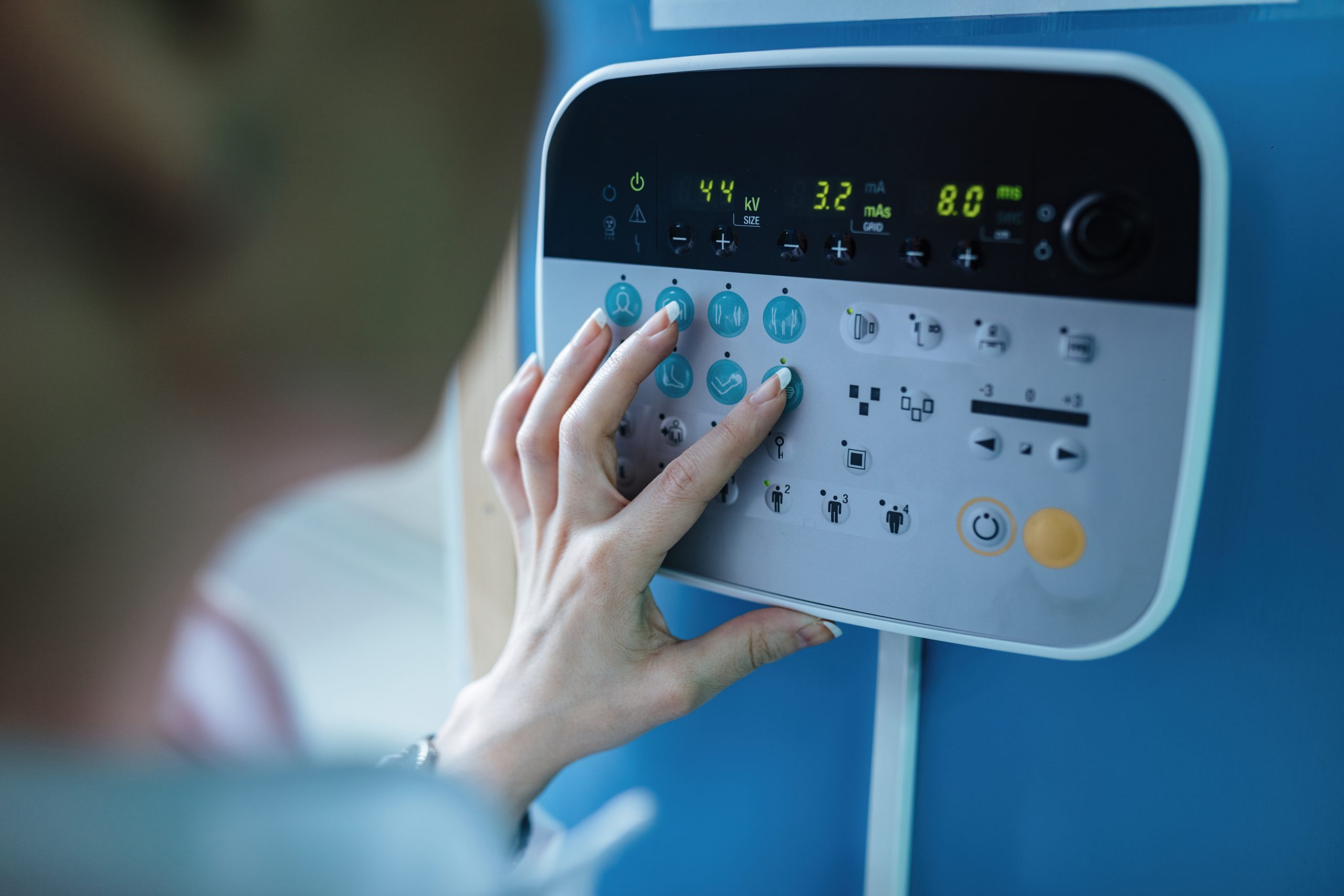
Capacitive Switches & Sensors
Printed capacitive sensing on flexible substrates, designed and manufactured in Brisbane. Sense a finger through a fully sealed surface, with no moving parts, plus sliders, gestures and proximity, for a modern, durable HMI.
Custom capacitive switches & sensors
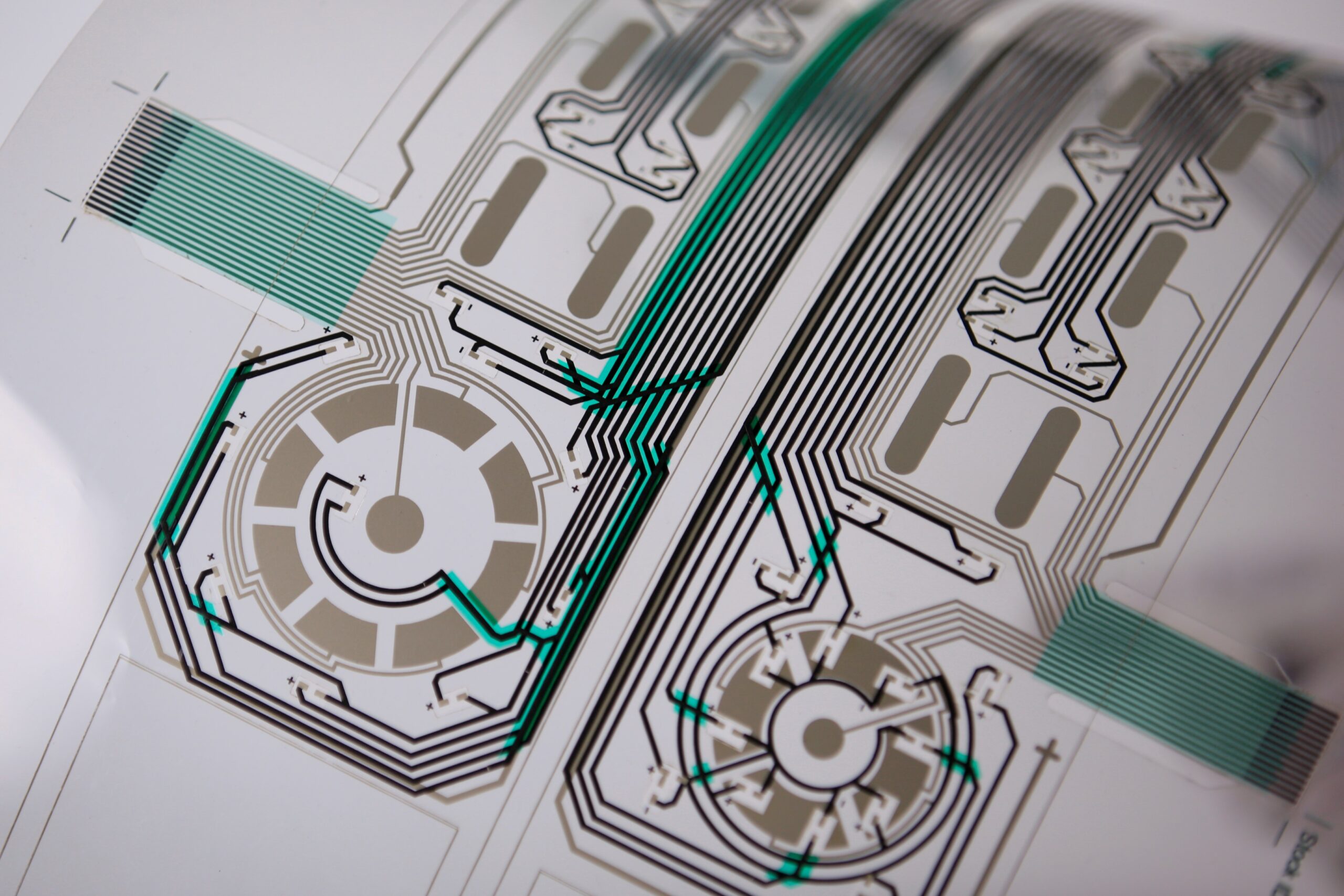
Printing complex capacitive and other types of switches on flexible substrates has been a key focus for Reid in recent years. We design and embed complex printed capacitive sensors onto existing printed circuits, with the ability to precisely embed and test the relevant electronic sensor chips.
A capacitive switch senses the capacitance of a finger through a sealed front surface. With no holes to drill for mechanical switches and no protruding buttons or knobs, the result is a clean, modern and virtually indestructible control surface that is easy to seal and easy to clean.
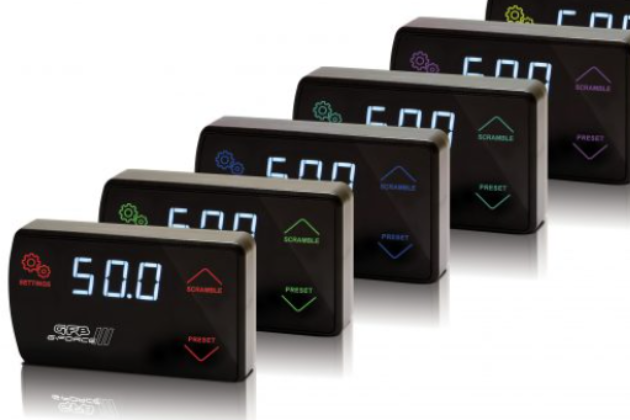
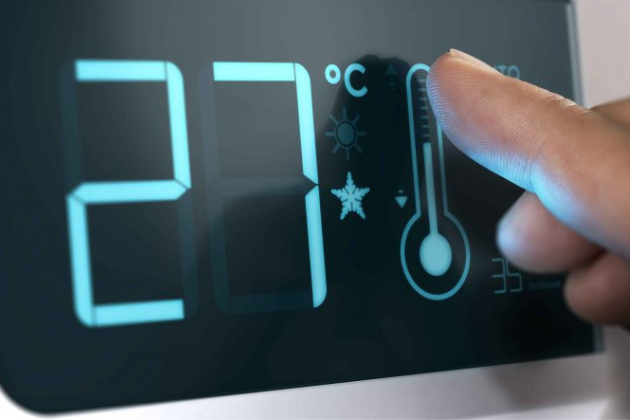
What is a capacitive switch?
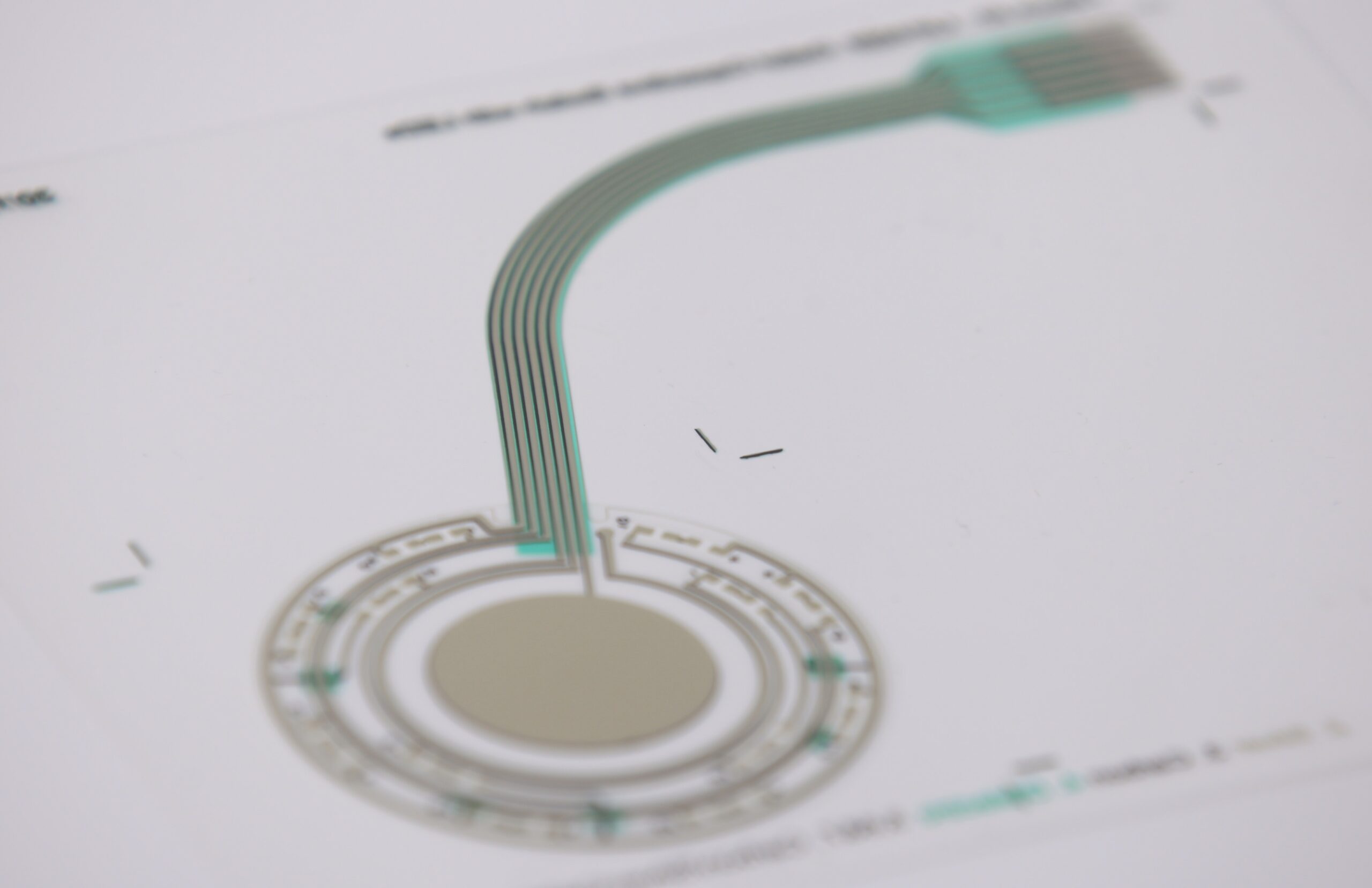
A capacitive switch has no moving parts. Conductive sensing pads are printed in silver and carbon onto a flexible substrate, then embedded into the panel behind a sealed front surface. When a finger comes close, it changes the capacitance at the pad, and the controller registers a touch.
Because there is nothing to press and no aperture in the surface, the panel can be completely sealed, wiped clean, and built from a durable material such as high gloss acrylic or hard-coated polyester.
Modern capacitive controllers have advanced rapidly: tolerance detection, noise filtering, auto-tuning, recalibration, low power operation and proximity functionality all sit behind the printed sensor. We embed and test these controller chips as part of the assembly.
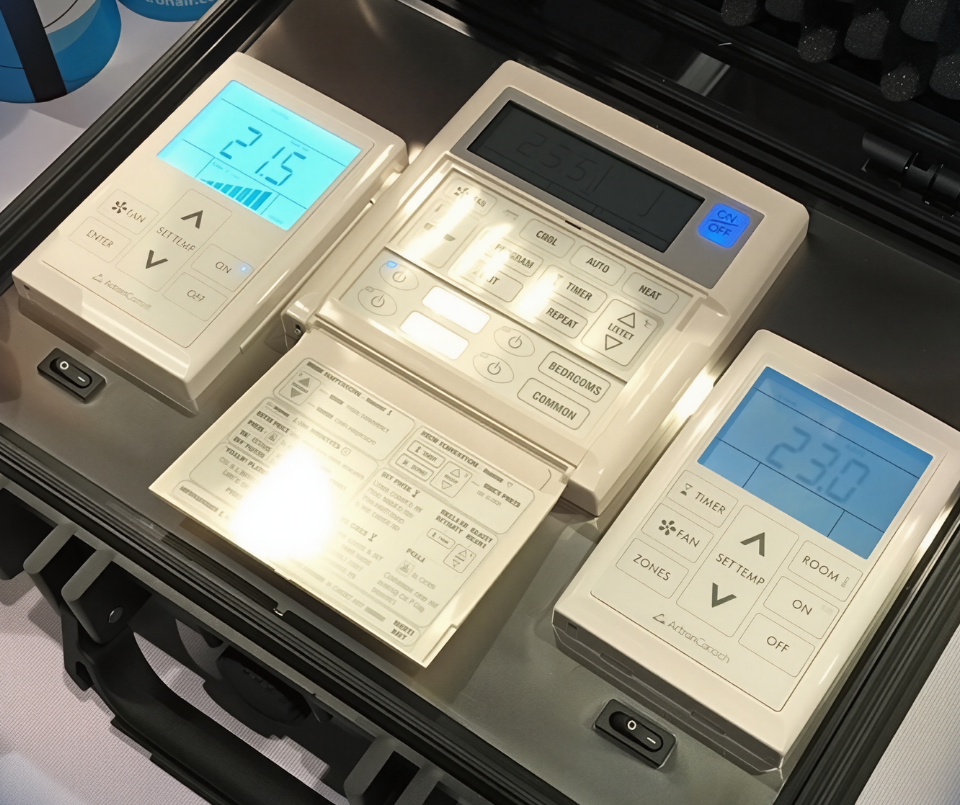
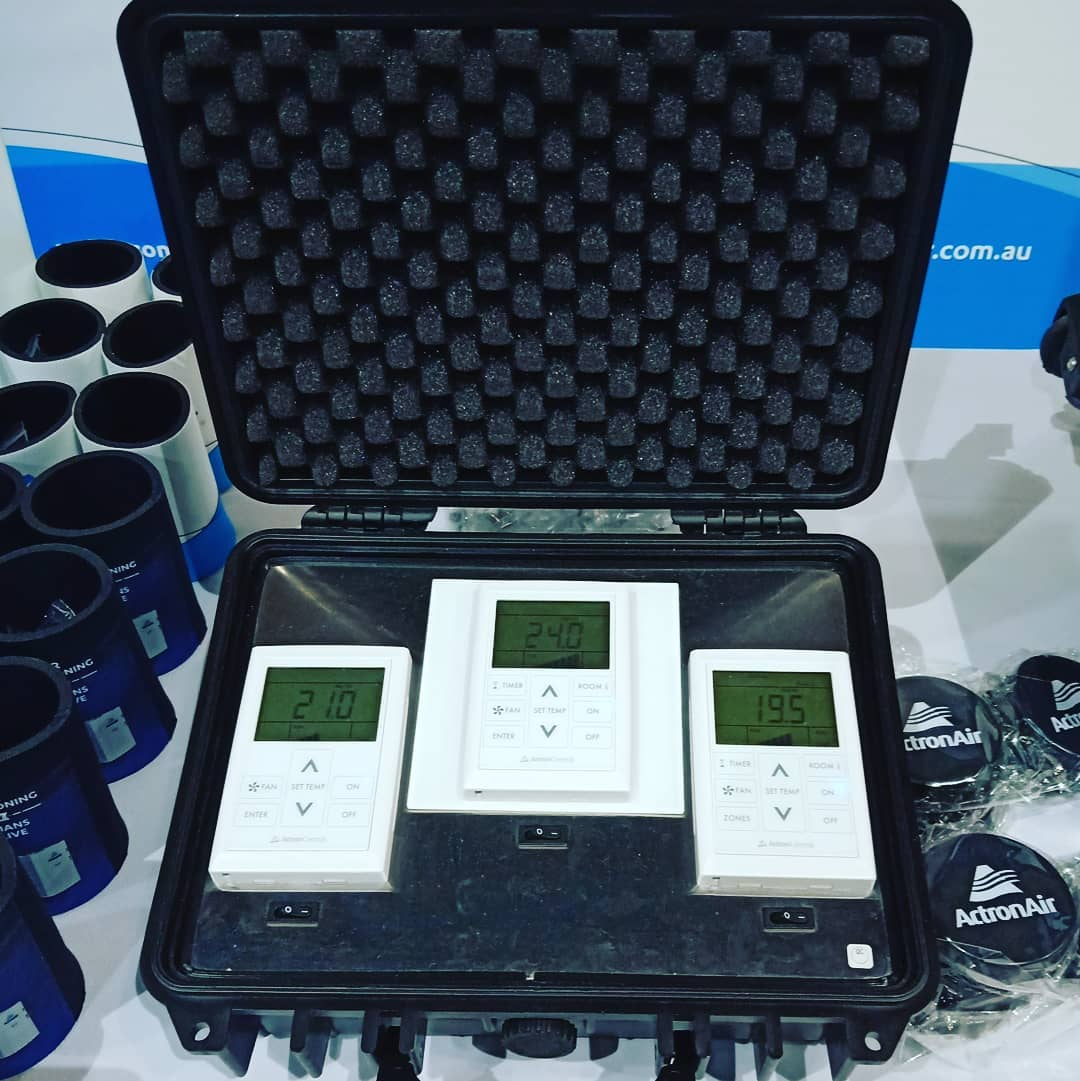
Reid manufactured the capacitive touch interface for Actron Air's B75H wall controller (built by Leasam Controls), finished in Marcoated 0.75mm high gloss acrylic for a premium, fully wipeable control surface.
The controller has been installed across Travelodge Brisbane properties, where it has proven reliable in high-turnover commercial hospitality use, with a clear display and buttons that are easy to read and use.
Capabilities & design options
A capacitive switch can be far more than a switch. We integrate other technologies to make the sensor a multi-faceted part of your product.
Multi-touch
Multiple touch points registered at the same time.
Taps, slides & rotors
Single tap, double tap, slide touch or rotary input.
Proximity sensing
Detect a finger approaching, or sense when a product has been picked up or moved.
Noise filtering
Built-in noise detection and filtering for reliable operation in electrically noisy environments.
Backlighting
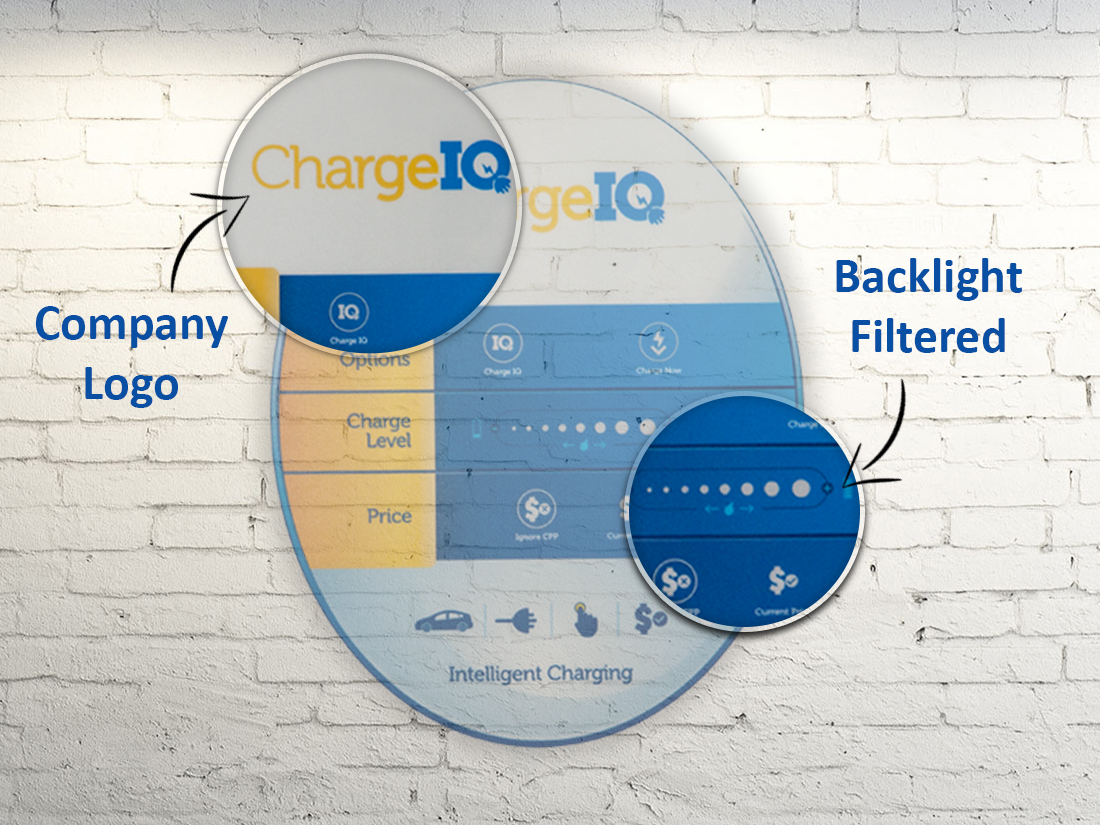
SMD LEDs, light guide film or electroluminescent (EL). See Backlighting Technologies
Sealed surfaces
No moving parts and no apertures. A durable, wipeable, fully sealed front surface.
Premium finishes
High gloss acrylic or printed polyester faces for a high-end look and feel.
Flexible printed circuits
Capacitive sensors embedded onto flexible printed circuits, in custom geometries.
Controller integration
We embed and test the capacitive controller chips: tolerance detection, auto-tuning and recalibration.
Engineering support
From design through to production.
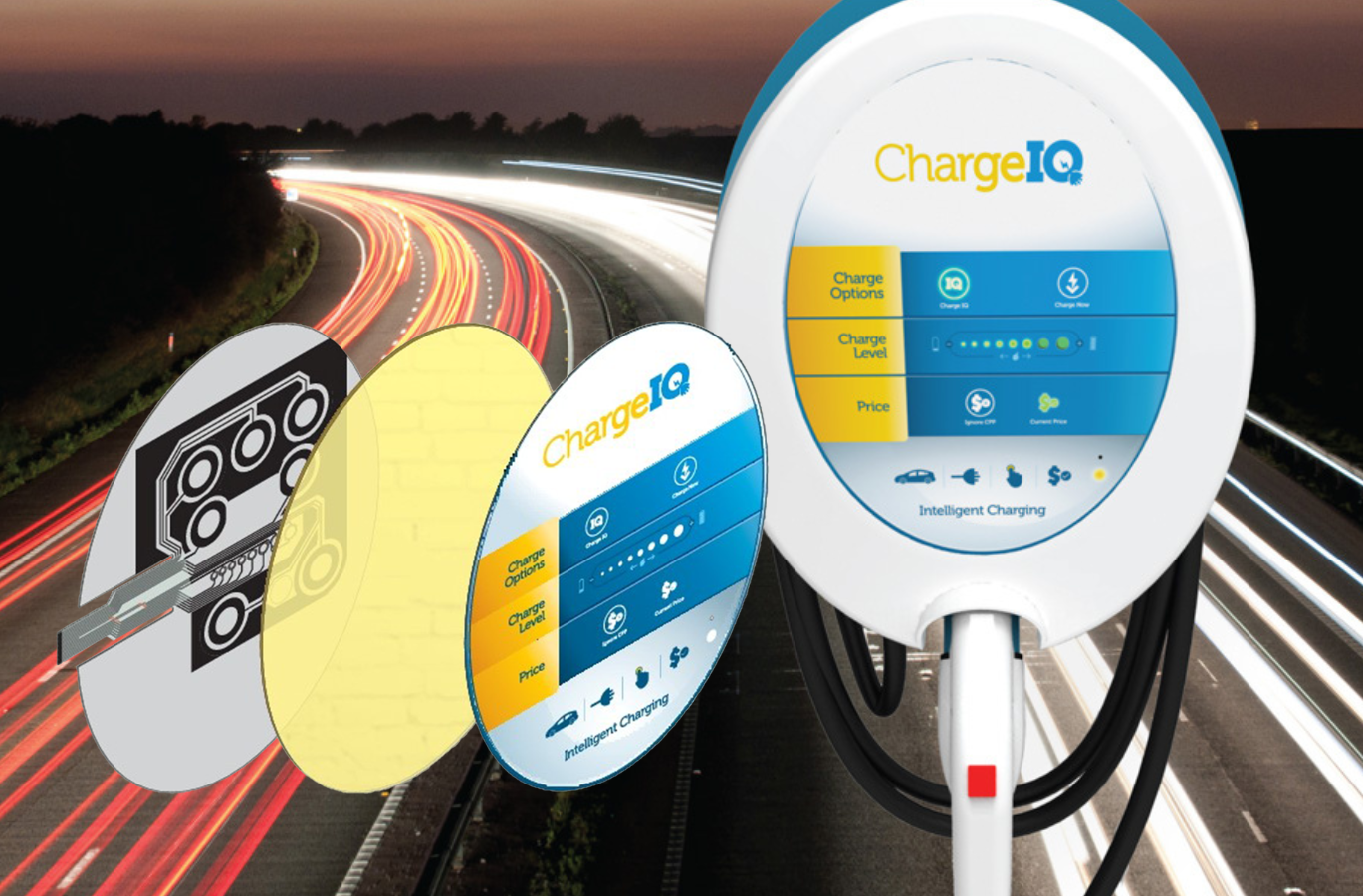
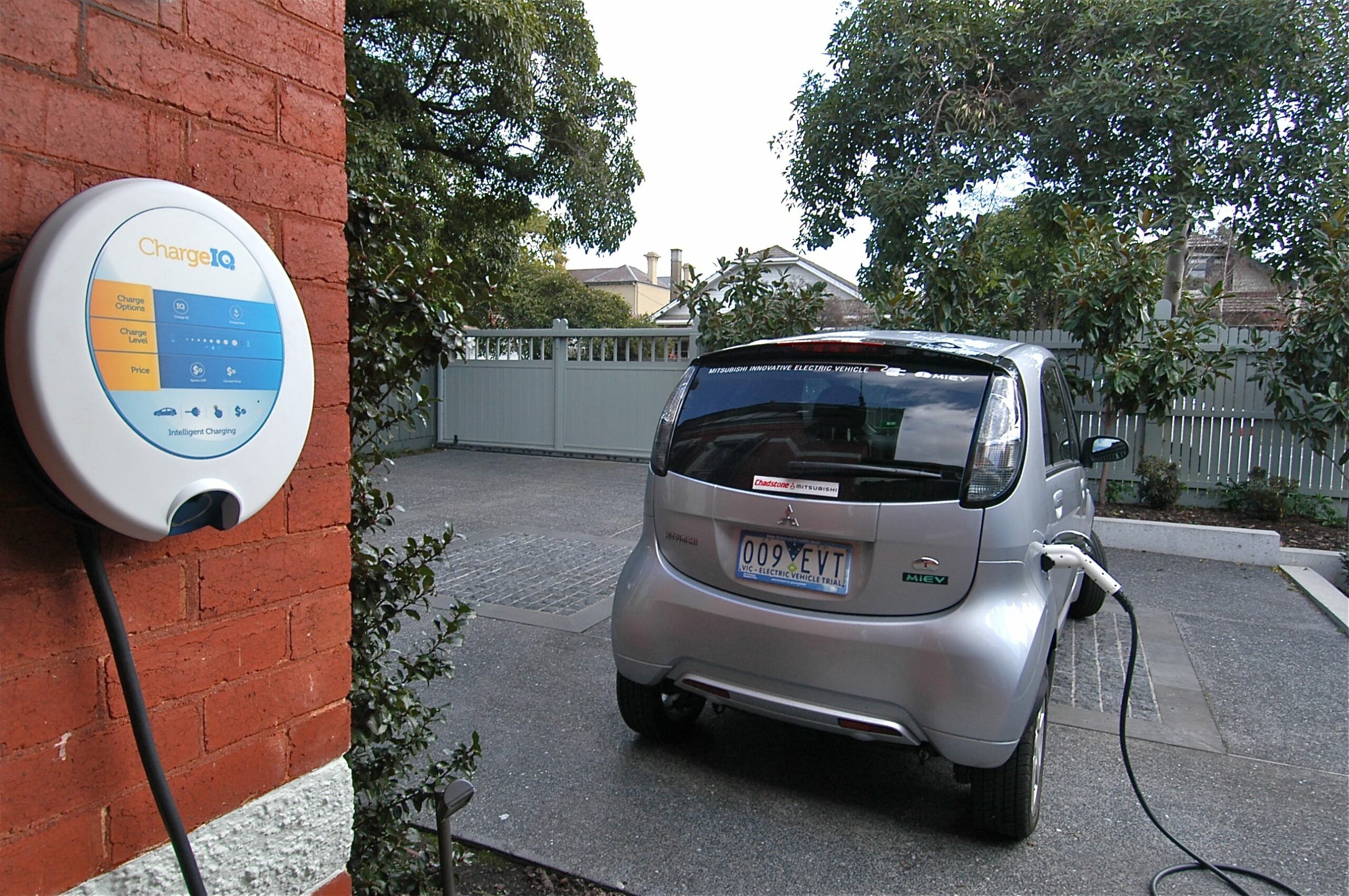
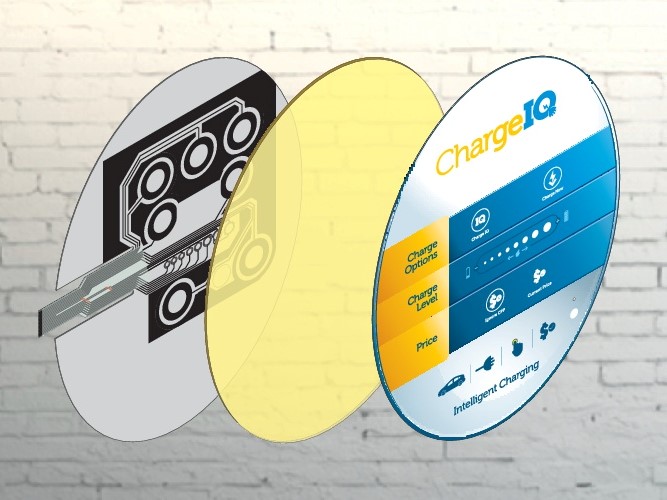
Reid developed the capacitive touch interface for ChargeIQ's EV charging hardware: a printed capacitive circuit layered beneath a spacer and finished graphic face, giving the charger a sealed, glare-resistant control surface suited to outdoor public charging installations.
Assembly and integration
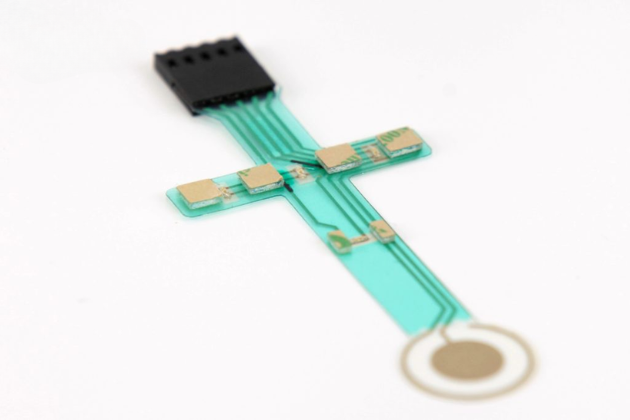
We embed the printed capacitive sensor onto your flexible or rigid circuit, populate and test the controller chip, and integrate backlighting where needed, shipped back as a sealed, plug-and-play assembly ready to bond to your enclosure.
Prototypes and short runs
Our digital workflow means capacitive prototypes are, in essence, small production runs: fully functional printed sensors and graphics with no tooling costs and short lead times, so you can test the look, feel and response before committing to volume.
More on Rapid Prototyping →Where our capacitive switches are used
Capacitive Sensor Projects
Frequently asked questions
What's the difference between a capacitive switch and a membrane switch?
A membrane switch is a physical contact switch with tactile feedback. A capacitive switch has no moving parts and triggers on the capacitance of a finger through a sealed front surface. See Membrane Keypads.
Can a capacitive switch sense through a sealed surface?
Yes. Capacitive sensing works through glass, acrylic and polyester overlays, so the front surface can be fully sealed with no holes, buttons or knobs to trap contaminants and nothing to clean around.
Can capacitive switches include proximity sensing?
Yes. Capacitive designs can detect a finger approaching before it touches, and can be configured to sense when a product has been picked up or moved.
Do capacitive switches support multi-touch, sliders and gestures?
Yes. Designs can support multi-touch, single or double tap, slide and rotary (rotor) inputs, with noise detection and filtering handled in the controller.
Can capacitive switches be backlit?
Yes. Capacitive sensing integrates with our backlighting technologies, including SMD LEDs, light guide film and electroluminescent (EL) lamps.
What surface finishes are available?
The face can be printed graphics on polyester film or a premium finish such as high gloss acrylic, giving a durable, wipeable, high-end feel.
Do you manufacture in Australia?
Yes. Designed and manufactured at our Clontarf facility in Brisbane.
Need a capacitive interface designed
and made in Australia?
Send us your drawings, your artwork, or the product you want to add touch control to.