
If you’ve ever used a microwave, pumped fuel at a self-service petrol station, or adjusted a hospital bed, you’ve almost certainly used a membrane keypad without realising it. These thin, sealed interfaces are everywhere, yet most people have no idea what they’re called or how they work. This guide explains exactly what a membrane keypad is, how it works, and why Australian industries still rely on them for critical applications.
What is a Membrane Keypad?
A membrane keypad — also known as a membrane switch or membrane touch panel — is a flat, flexible interface that allows a user to control an electronic device. Unlike mechanical keyboards with individual moving switches, a membrane keypad has no separate moving parts. Instead, it uses layers of flexible film to create a switching action when you press down on a printed graphic.
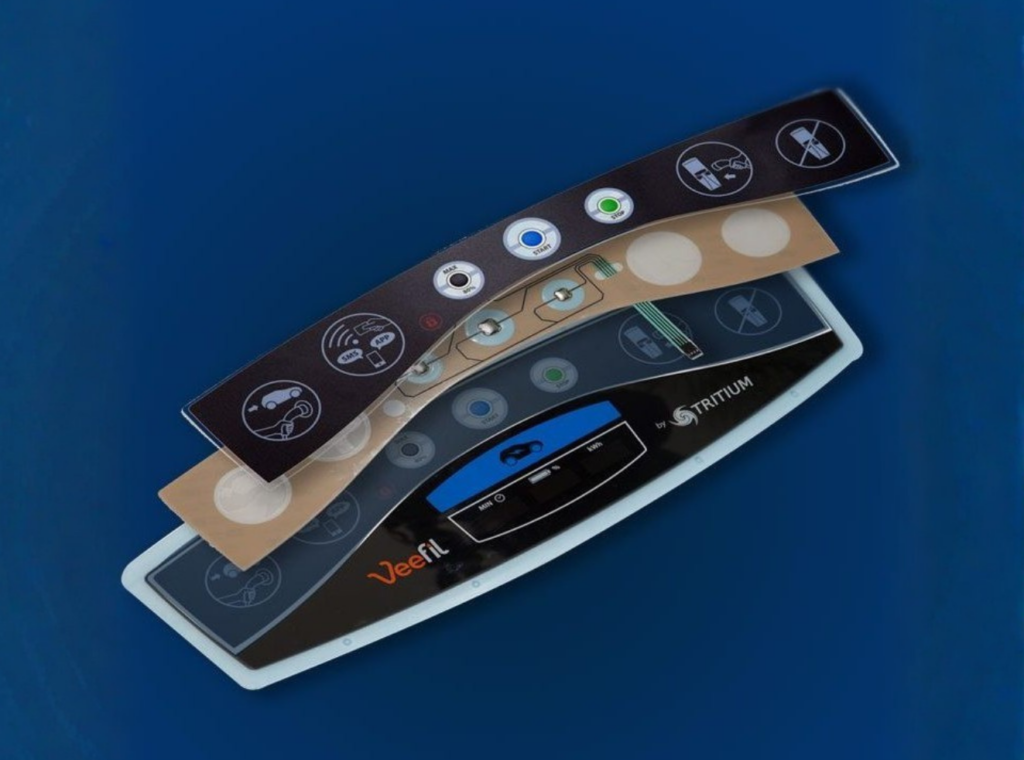
A typical membrane keypad consists of several thin layers sandwiched together. The top layer is a graphic overlay, which is printed with the labels, symbols, and colours that the user sees. This layer is usually made of polyester or polycarbonate, materials that resist abrasion, chemicals, and UV light.
Below the graphic overlay is a spacer layer with holes cut out above each switch position. Beneath that sits the circuit layer, which contains conductive traces printed onto flexible film. When you press down on the graphic overlay, it pushes through the hole in the spacer and makes contact with the circuit layer below. That contact completes an electrical circuit, and the device registers a key press.
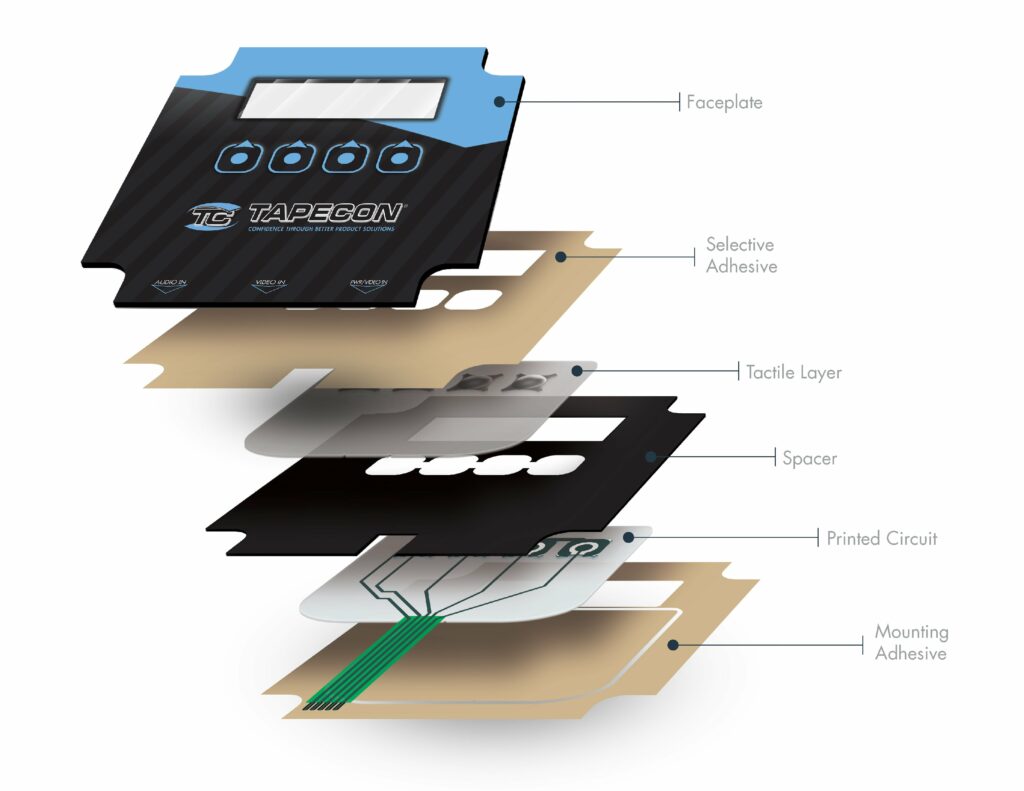
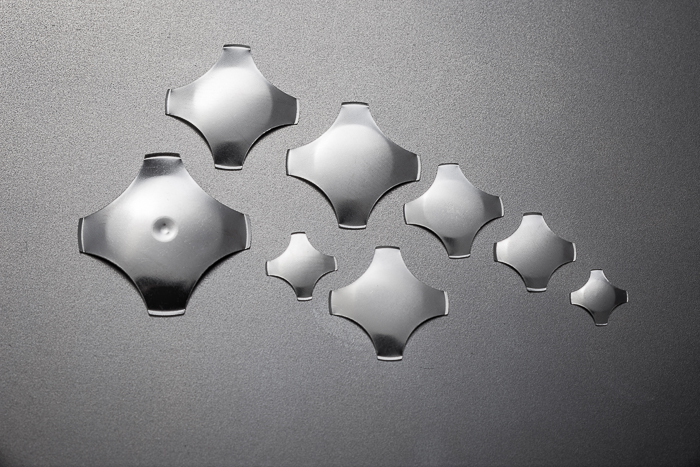
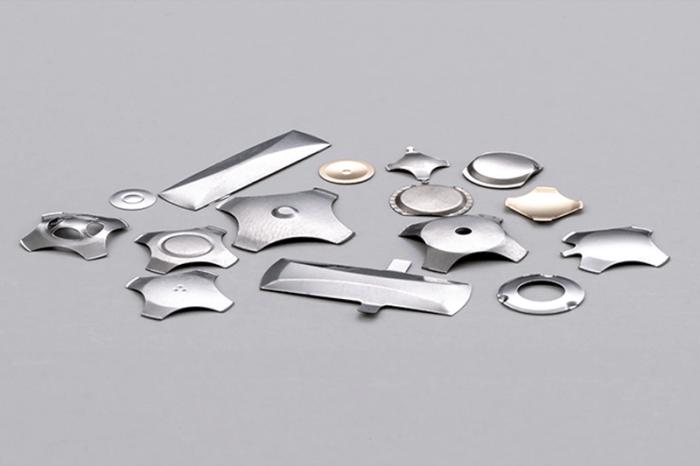
The bottom layer is a rear adhesive that bonds the entire keypad assembly to your product. Some designs also include a metal dome layer over the spacer, which provides a crisp snapping sensation when pressed. That tactile feedback is a common feature of high-quality membrane keypads.
Why a Membrane Keypad is Still a Smart Choice
Membrane switches remain a dependable, cost-effective solution for critical applications, and not only in Australian industries. Globally, the membrane switch market is expanding as well, driven by the need for durable, reliable interfaces across healthcare, industrial automation, and consumer electronics. Given this market strength and local support, it’s worth looking at why these products remain such a popular choice for designers and engineers.
First, they are completely sealed. Because the layers are bonded together, dust, moisture, and spills cannot easily penetrate the interface.
This makes them ideal for medical environments where equipment must be cleaned with harsh disinfectants, or for industrial settings where dust and grime are constant problems.
Second, a well-designed membrane keypad can withstand millions of button presses. Depending on the materials and whether metal domes are used, a membrane keypad can easily outlast the device it is attached to. There are no individual switches to wear out or collect debris.
Third, a membrane keypad is thin and lightweight. It adds very little bulk to a product, which is important for portable medical devices, handheld instruments, and wearable technology. The entire assembly might be less than a millimetre thick, yet it can provide years of reliable service.
A membrane keypad is also highly customisable. We can print any colour, any symbol, and any layout onto the graphic overlay. We can add embossing to create raised keys that are easier to find by touch. We can incorporate windows for displays or LEDs, and we can backlight the entire keypad for use in low light conditions. For defence applications, we can even provide NVIS compatible backlighting that is invisible to enemy night vision equipment.
If you’re designing a new product, or updating an existing one, consider whether a membrane keypad could replace a more expensive interface. Our reliable team at Reid Print Technologies can work from your existing design files, or help you develop a new layout from scratch. We’re able to handle small production or prototype runs, all the way through to large production volumes.
Follow us on social media to see more industry insights in the world of printed electronics:
